London's 2026 restaurant wave signals rising demand for aged whisky and premium spirits. Asia-Pacific family offices should read the opening calendar as a supply-demand indicator for cask investment, with rare Scotch appreciating 373% over the past decade.
London's New Restaurant Scene as an Alternative Asset Signal
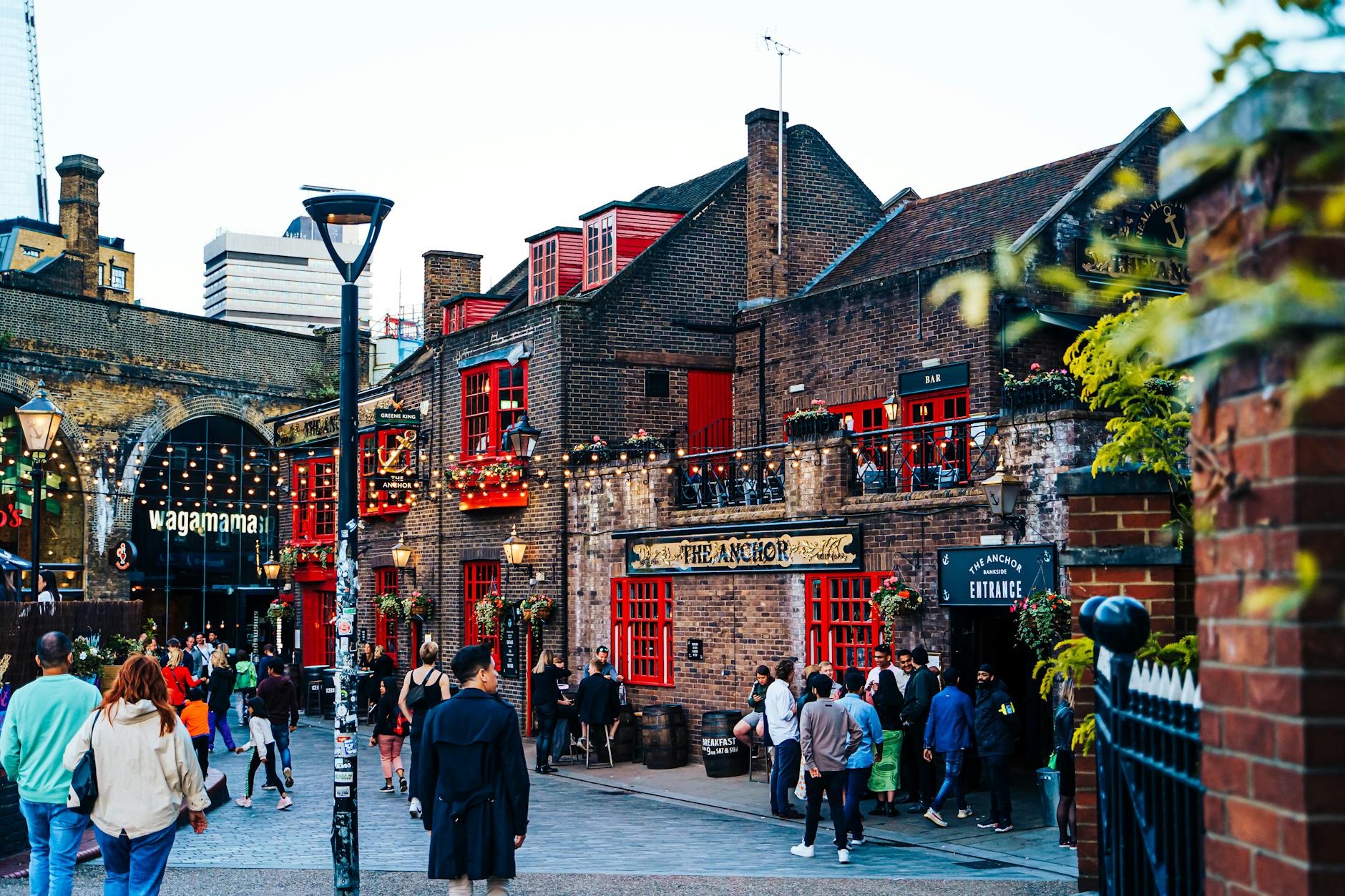
London's new restaurant openings in 2026 are generating more than culinary excitement — for Asia-Pacific family offices and private bankers tracking hospitality real estate, rare spirits allocation, and experiential luxury, the capital's dining pipeline is a leading indicator of high-net-worth capital flows. London's restaurant sector generated approximately £17.1 billion in revenue in 2024, with premium dining concepts in Mayfair, Knightsbridge, and the City commanding property premiums of 15–22% above comparable retail space. For investors monitoring where ultra-high-net-worth individuals are concentrating discretionary spend, the 2026 opening calendar deserves a place in the morning brief.
The concentration of new openings in the W1 and SW1 postcodes reflects a broader trend: sovereign wealth and family office capital from the Gulf, Southeast Asia, and Greater China continues to flow into London hospitality assets. According to Savills, overseas investors accounted for 61% of central London hospitality transactions in 2024, with Singapore and Hong Kong-based entities among the most active acquirers. A new restaurant in a prime London postcode is not merely a dining destination — it is a signal of where patient capital is being deployed.
Which 2026 Openings Are Drawing Institutional Attention?
Among the most anticipated openings is a new concept from the group behind several Michelin-starred addresses, targeting a 120-cover site in Mayfair with an omakase-led format drawing on Japanese technique and British seasonal produce. Omakase formats have demonstrated exceptional revenue-per-cover metrics globally, with Tokyo's top omakase counters generating ¥80,000–¥150,000 (approximately £400–£750) per guest per sitting. The format's scarcity model — limited covers, fixed menus, advance booking windows of six to twelve weeks — mirrors the supply-constrained dynamics that underpin collectible asset classes including rare whisky and fine wine.
A second high-profile opening involves a multi-storey dining and private members concept in the St James's area, backed by a consortium that includes Hong Kong-based hospitality investors. The venue is projected to generate £8–12 million in annual revenue at stabilised occupancy, with private dining rooms already attracting pre-opening interest from London-based Asian diaspora networks and visiting UHNW clients from Singapore and the UAE. Private dining infrastructure of this calibre increasingly functions as a soft-power asset for family offices seeking relationship capital in Western markets.
The Rare Spirits Angle: What New Restaurants Mean for Whisky Cask Investors
The expansion of premium dining in London has a direct and quantifiable impact on rare spirits markets. Michelin-starred and high-concept restaurants are among the most significant retail channels for aged Scotch whisky, Japanese whisky, and single-estate spirits, driving both volume absorption and price discovery. The Scotch Whisky Association reported that on-trade premium whisky sales in the UK grew 9.3% year-on-year in 2024, with London accounting for a disproportionate share of that growth. As new venues compete for differentiated back-bar offerings, demand for aged single malts and limited-release expressions tightens further.
For cask investors, this demand dynamic is material. A cask of 10-year-old single malt Scotch purchased at the distillery gate for approximately £2,500–£4,000 has historically appreciated to £8,000–£15,000 at the 15–18 year mark, depending on distillery provenance and cask type. The Knight Frank Luxury Investment Index recorded a 373% appreciation in rare whisky over the decade to 2023, outperforming classic cars (185%), wine (147%), and art (89%) over the same period. With London's premium on-trade expanding its capacity through the 2026 opening wave, the absorption channel for aged stock is deepening — a structural positive for cask holders.
Asia-Pacific Buyer Flows and the London Hospitality Connection
Singapore and Hong Kong remain the primary Asia-Pacific gateways for London hospitality investment and whisky asset acquisition. Singapore-based family offices have increased allocations to tangible alternative assets — including whisky casks, fine wine, and hospitality real estate — as MAS-regulated structures have matured to accommodate these asset classes. The Singapore Variable Capital Company (VCC) framework, now used by over 900 registered funds, has made it structurally simpler for Asian investors to hold physical assets including whisky casks within a regulated, tax-efficient wrapper.
The 2026 London restaurant pipeline reinforces a thesis that Alt Asset Asia has tracked consistently: premium experiential assets and the physical commodities that supply them — aged spirits, fine wine, rare ingredients — are converging as an investable theme. Family offices in Bangkok, Kuala Lumpur, and Jakarta are increasingly looking at London's hospitality expansion not as a travel consideration but as a forward indicator for spirits and food-adjacent asset pricing. The smart money is not booking a table — it is acquiring the cask that will eventually pour at that table.
- Knight Frank Luxury Investment Index (10yr to 2023): Rare whisky +373%, classic cars +185%, fine wine +147%
- Scotch Whisky on-trade UK growth (2024): +9.3% year-on-year
- Typical cask appreciation: £2,500–£4,000 at gate to £8,000–£15,000 at 15–18 years
- Overseas share of London hospitality transactions (2024): 61% (Savills)
- Singapore VCC funds registered: 900+ as of 2024
Frequently Asked Questions
How do London restaurant openings relate to whisky cask investment returns?
Premium restaurants are a key demand channel for aged single malt Scotch and rare spirits. As London's high-end dining capacity expands, on-trade absorption of premium whisky increases, tightening supply and supporting price appreciation for cask holders. The 2026 opening wave adds structural demand to an already supply-constrained market.
What is the typical investment horizon for a whisky cask purchased in 2025?
Most cask investors target a 10–18 year hold period, during which the spirit matures and gains complexity and volume through angel's share evaporation. Optimal exit windows typically align with 12, 15, or 18-year age statements, which command premium pricing at auction and through specialist brokers.
How can Singapore or Hong Kong-based investors hold whisky casks in a regulated structure?
Singapore's Variable Capital Company (VCC) framework allows family offices to hold physical alternative assets including whisky casks within a MAS-regulated, tax-efficient fund structure. Specialist managers such as Whisky Cask Club provide custody, insurance, and exit facilitation for Asia-Pacific investors.
Are London hospitality assets accessible to Asian family offices?
Yes. Savills data shows that Singapore and Hong Kong-based entities were among the most active acquirers of central London hospitality real estate in 2024. Entry points range from minority stakes in operating businesses to direct property acquisition, with deal sizes typically starting at £5–10 million for prime postcode assets.
What alternative assets correlate with premium dining expansion?
Aged Scotch whisky, fine Burgundy and Champagne, rare Japanese whisky, and premium olive oil and truffle supply chains all show demand correlation with high-end restaurant expansion. Of these, whisky casks offer the most transparent pricing, lowest ongoing cost of carry, and clearest exit infrastructure for Asia-Pacific investors.
💼 Exploring alternative asset allocation? Speak to Whisky Cask Club — Singapore's leading specialists in Scottish whisky cask investment.