The ANA InterContinental Tokyo's renovation reflects a broader institutional conviction in Tokyo's luxury hospitality market, where 18% RevPAR growth, supply scarcity, and 60-million-visitor government targets make trophy hotel assets a credible alternative allocation for Asian family offices.
ANA InterContinental Tokyo: A Hard Asset Play in Japan's Luxury Hotel Market
Japan's luxury hospitality sector is quietly becoming one of the most compelling alternative asset stories in Asia-Pacific, and the ANA InterContinental Tokyo sits at the centre of that thesis. With inbound tourism to Japan surpassing 25 million visitors in 2023 and RevPAR (revenue per available room) in Tokyo's upper-upscale segment rising approximately 18% year-on-year through 2024, the hotel's strategic renovation signals more than a cosmetic refresh — it represents a calculated repositioning in a market where premium real estate-linked assets are attracting serious institutional attention. For family offices in Singapore, Hong Kong, and Tokyo itself, the rebirth of this Akasaka landmark is a case study in how hospitality assets can anchor a broader alternative allocation strategy.
What the Renovation Signals for Hospitality Asset Valuations
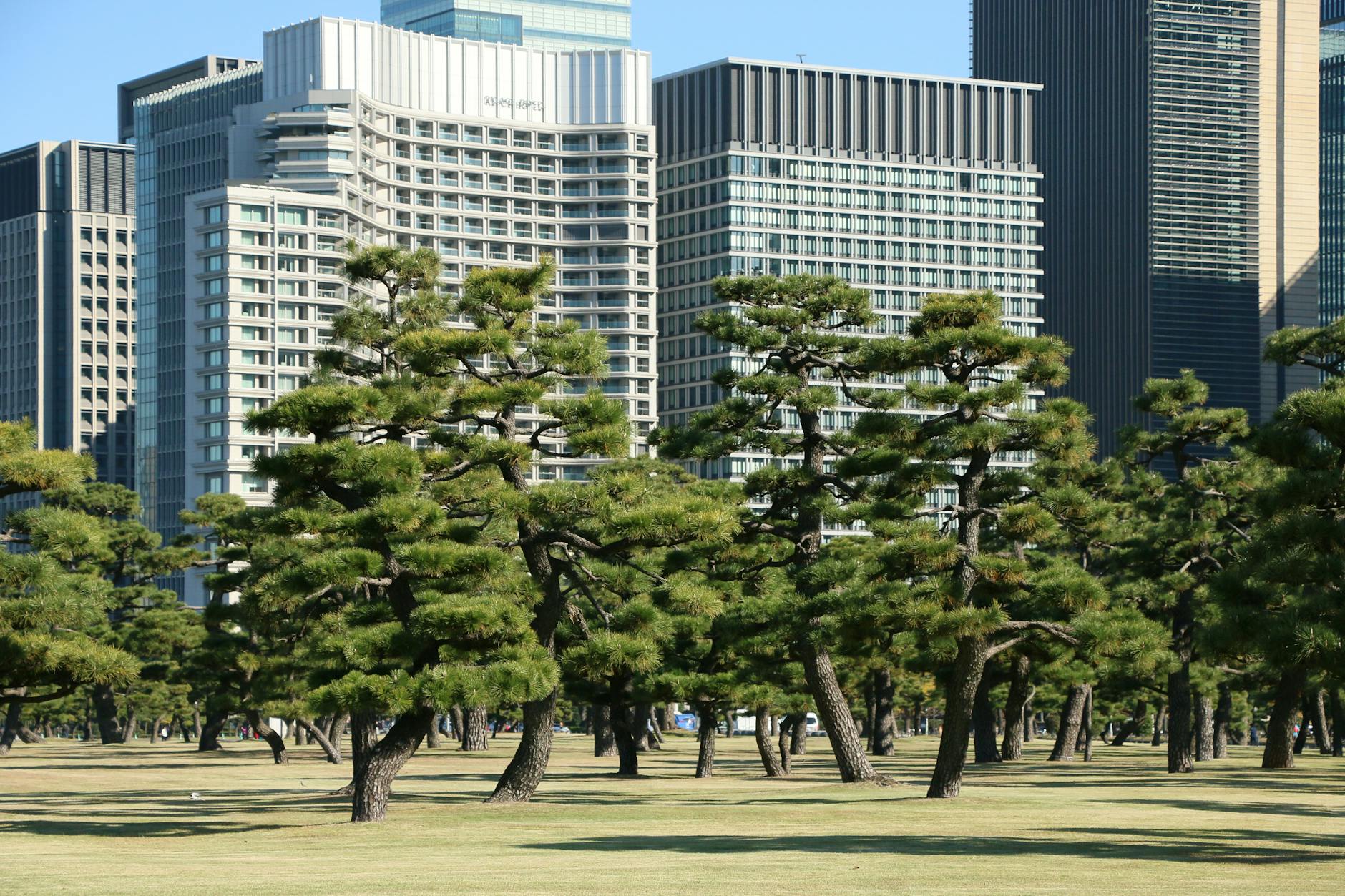
The ANA InterContinental Tokyo, occupying a commanding position in the Akasaka district — one of Tokyo's most strategically dense business and diplomatic corridors — has undergone a comprehensive transformation of its guest rooms, lobby spaces, and food and beverage offerings. The property, which towers above the ARK Hills complex and counts government ministries and multinational headquarters among its immediate neighbours, has repositioned itself to capture the ultra-high-net-worth traveller segment that increasingly overlaps with the alternative asset investor community. Room rates for premium suites now push well above ¥150,000 per night (approximately USD 1,000), a price point that would have been considered aspirational for this address just three years ago.
The renovation investment reflects a broader conviction among hotel operators and their institutional backers that Tokyo's supply-demand imbalance in luxury accommodation will persist through at least 2027. New luxury hotel supply in central Tokyo remains constrained by land scarcity and planning complexity, meaning existing trophy assets that invest in product quality are effectively widening their competitive moat. For investors tracking hospitality-linked real estate investment trusts (J-REITs) or direct hotel asset plays, this dynamic underpins a structurally supportive valuation environment.
How Tokyo's Hospitality Market Compares Across the Region
To contextualise the ANA InterContinental Tokyo's repositioning, it is worth benchmarking against comparable moves across Asia-Pacific. Singapore's luxury hotel market — anchored by properties such as the Raffles and Capella — has seen average daily rates climb roughly 22% between 2021 and 2024, driven by a combination of corporate travel recovery and the city-state's emergence as a family office hub. Bangkok and Bali have attracted significant capital into boutique luxury developments, with some private equity-backed hospitality funds targeting net IRRs of 12–16% on greenfield projects. Tokyo, however, offers something those markets cannot easily replicate: a combination of sovereign-grade political stability, a globally recognised brand ecosystem, and a currency that, despite recent yen strengthening, still offers relative value entry points for USD- and SGD-denominated capital.
The ANA InterContinental brand itself benefits from the dual halo of IHG's global loyalty network — which counts over 130 million members — and ANA's domestic prestige, giving the property a distribution advantage that independent luxury hotels in the region struggle to match. This brand infrastructure translates directly into occupancy resilience, a metric that matters enormously when underwriting hospitality asset cash flows.
Key Investment Metrics and Asset Details
- Location premium: Akasaka/ARK Hills, central Tokyo — among the city's top-five commercial submarkets by land value
- Room count: Approximately 844 rooms across standard, deluxe, club, and suite categories
- Suite pricing: ¥150,000–¥500,000+ per night for premium configurations (USD 1,000–3,300+)
- Tokyo RevPAR growth: ~18% YoY in upper-upscale segment (2023–2024)
- IHG One Rewards network: 130 million+ members providing demand floor
- J-REIT hospitality AUM: Approximately ¥2.1 trillion (USD 14 billion) as of Q1 2024
ANA InterContinental Tokyo
📍 1-12-33 Akasaka, Minato-ku, Tokyo 107-0052, Japan
📞 +81 3-3505-1111
⏰ 24-hour operations; restaurant hours vary by outlet
Why Asian Family Offices Are Watching Tokyo Hospitality Closely
The convergence of several macro trends makes Tokyo luxury hospitality a compelling allocation consideration for Asian private capital. The Japanese government's aggressive inbound tourism targets — aiming for 60 million annual visitors by 2030 — combined with ongoing corporate governance reforms that are unlocking latent value in Japanese real estate holdings, create a structural tailwind that is difficult to find elsewhere in the region. Singapore-based family offices, in particular, have been increasing Japan exposure across real estate, private equity, and hospitality, with several notable transactions in the ¥5–20 billion range completing quietly in 2023 and early 2024.
The ANA InterContinental Tokyo's renovation is therefore not simply an operational story — it is a signal that sophisticated operators with institutional backing believe the asset's long-term yield profile justifies significant capital expenditure today. For investors seeking real asset exposure with inflation-hedging characteristics, liquidity optionality via the J-REIT market, and genuine Asia-Pacific demand drivers, Tokyo's trophy hotel segment deserves a place in the due diligence pipeline alongside more familiar alternative asset classes such as whisky casks, fine wine, and private credit.
Frequently Asked Questions
What is the investment case for Tokyo luxury hotel assets?
Tokyo's luxury hotel market benefits from constrained supply, rising inbound tourism, and strong corporate demand. RevPAR in the upper-upscale segment grew approximately 18% year-on-year through 2024, while J-REIT hospitality AUM stands at roughly ¥2.1 trillion (USD 14 billion), providing liquidity options for investors seeking exposure.
How does the ANA InterContinental Tokyo compare to other Asia-Pacific luxury hotels as an asset?
The property's Akasaka location, IHG's 130-million-member loyalty network, and ANA's domestic brand equity give it structural occupancy advantages over independent luxury hotels in Bangkok or Bali. Singapore and Hong Kong comparables have seen ADR growth of 20–22% since 2021, but Tokyo's yen-denominated entry point and supply scarcity offer a differentiated risk-return profile.
What role can hospitality assets play in an alternative asset portfolio?
Hospitality assets provide real asset inflation hedging, income generation through operating cash flows, and capital appreciation potential in supply-constrained markets. They complement non-correlated alternatives such as whisky casks, fine wine, and art by adding a cash-yielding component with tangible underlying value.
Are there accessible ways for Asian family offices to gain Tokyo hotel exposure without direct ownership?
Yes. J-REITs with hospitality mandates offer liquid, yen-denominated exposure to Tokyo hotel assets. Private equity real estate funds focused on Japan hospitality are also actively fundraising, with several targeting net IRRs of 10–14% on value-add strategies in the upper-upscale segment.
💼 Exploring alternative asset allocation? Speak to Whisky Cask Club — Singapore's leading specialists in Scottish whisky cask investment.