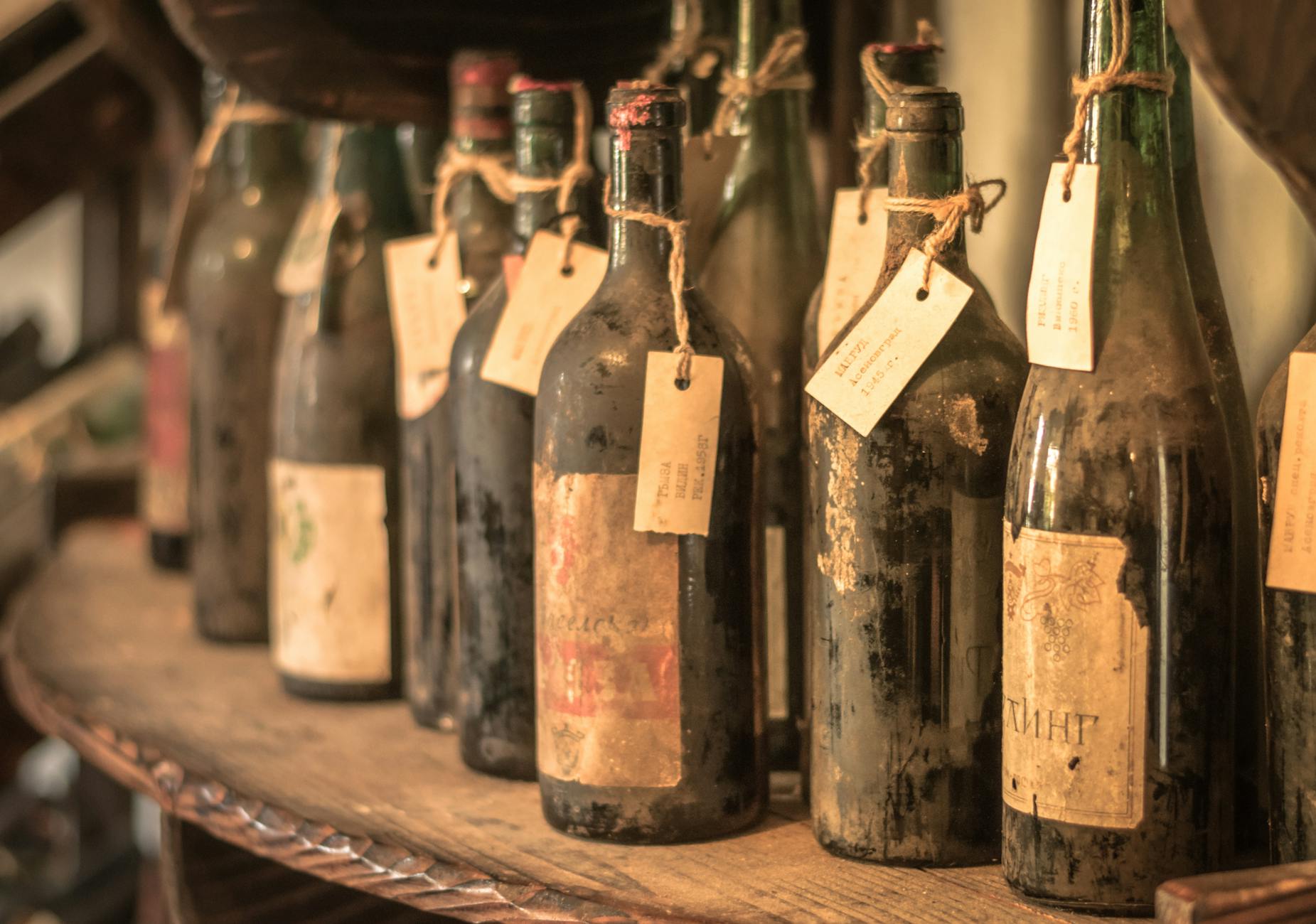
Asia-Pacific investors are rotating into whisky casks, rare watches, and fine wine as core alternative allocations. Casks return 12–15% annually; Hong Kong watch auctions remain deep; Japanese whisky is surging. Singapore's tax environment makes it an ideal base.
Alternative Assets Worth Buying: A Curated Investment Shopping List for Asia-Pacific Allocators
Alternative assets are no longer a peripheral allocation strategy for Asia-Pacific family offices — they are a core pillar. With global private wealth in the region forecast to reach USD 70 trillion by 2030 according to Credit Suisse's Global Wealth Report, the question for sophisticated investors is no longer whether to allocate to alternatives, but which tangible assets offer the strongest risk-adjusted returns this quarter. From whisky casks appreciating at double-digit annual rates to horological investments commanding record hammer prices at Hong Kong auction houses, the following represents the most compelling hard-asset opportunities available to Asian investors right now.
Whisky Casks: The Quiet Outperformer in Portfolio Construction
Scotch whisky casks have delivered average annualised returns of 12–15% over the past decade, according to the Knight Frank Luxury Investment Index, consistently outperforming traditional equities during periods of volatility. A single cask of premium single malt Scotch — purchased new-make at approximately GBP 2,000–4,000 — can mature into a GBP 15,000–50,000 asset within ten to fifteen years, depending on the distillery, region, and market conditions at the time of bottling or resale. Singapore and Hong Kong buyers have been particularly active, with cask brokers reporting a 35% year-on-year increase in Asia-Pacific inquiries through 2023 and into 2024.
The investment case is structurally sound: Scotch whisky is a finite, time-dependent asset. Unlike equities, it cannot be reprinted or diluted. Supply from closed or silent distilleries — Brora, Port Ellen, and Rosebank among the most sought-after — is permanently capped, while global demand from China, Japan, South Korea, and Southeast Asia continues to expand. Thai and Vietnamese ultra-high-net-worth buyers in particular have emerged as significant new entrants to the cask market, drawn by the asset's low correlation to public markets and its tangible, insurable nature.
- Entry price range: GBP 2,000–15,000 for new-make and young casks
- Target holding period: 8–20 years for optimal maturation value
- Average annualised return: 12–15% (Knight Frank Luxury Investment Index)
- Asia-Pacific demand growth: +35% YoY in broker inquiries (2023–2024)
Watches: Auction Data Points to Durable Collector Demand
The secondary watch market pulled back sharply from its 2021–2022 peaks, with the WatchCharts Overall Market Index declining approximately 30% from its high. However, seasoned collectors and institutional buyers in Hong Kong and Singapore have treated this correction as a structured entry point rather than a reason for retreat. Patek Philippe's Ref. 5711 in stainless steel — discontinued in 2021 — continues to trade at two to three times its original retail price on the secondary market, while independent makers such as F.P. Journe and Philippe Dufour command premiums that have proven remarkably resilient through the downturn.
Christie's and Phillips auction results from their Hong Kong salerooms in 2023 and early 2024 confirm sustained depth in the top tier of the market. A Phillips Hong Kong sale in November 2023 achieved a total of HKD 156 million across 150 lots, with a sell-through rate exceeding 90%. Japanese buyers, historically focused on domestic auction platforms, have increasingly crossed into international salerooms, adding a new demand layer that regional specialists say is unlikely to reverse. For family offices, watches in the sub-USD 100,000 bracket from established Swiss independents represent a liquid, portable, and aesthetically meaningful store of value.
Fine Wine and Rare Spirits: Bordeaux Softens, Asia Pivots to Burgundy and Japanese Whisky
Liv-ex's Bordeaux 500 index fell roughly 14% across 2023, reflecting oversupply at the top end and softening demand from mainland Chinese buyers. The more instructive signal, however, is where Asian capital has rotated: Burgundy and Champagne allocations from Hong Kong-based wine investment funds rose by an estimated 22% over the same period, while Japanese whisky — particularly aged expressions from Yamazaki, Hibiki, and the now-closed Karuizawa distillery — has become one of the most aggressively bid categories at Asian auction houses. A 1960 Karuizawa single cask bottling achieved JPY 8.4 million at a Tokyo auction in late 2023, representing a 400% appreciation from its 2015 hammer price.
For Singapore-based investors, the city-state's zero capital gains tax environment and its status as a regional free-port wine storage hub make it a structurally advantageous base for fine wine and spirits portfolios. Freeport Singapore currently stores an estimated SGD 1.5 billion in fine wine and spirits, a figure that has grown consistently year-on-year as regional wealth concentrates in the city. Allocation sizes of 3–7% of a liquid alternatives portfolio are commonly cited by private bankers at DBS, UBS, and Julius Baer in their Singapore offices.
Frequently Asked Questions
How do whisky casks generate returns for investors?
Whisky casks appreciate in value as the spirit matures inside them, gaining complexity and reducing in volume through natural evaporation known as the angel's share. Investors profit by selling the cask to a bottler, broker, or private buyer at a higher price than their original purchase. The rarity of aged stock, combined with growing global demand, drives price appreciation over time.
Are alternative assets like watches and whisky suitable for family office portfolios?
Yes, and increasingly so. Many Asia-Pacific family offices now allocate between 5–15% of their portfolios to tangible alternative assets including watches, whisky casks, fine wine, and art. These assets offer low correlation to public markets, inflation-hedging characteristics, and in some jurisdictions, favourable tax treatment. They require specialist custody and insurance arrangements, which established brokers and freeport operators can facilitate.
Which Asian markets are most active in alternative asset investment?
Singapore and Hong Kong remain the dominant hubs for alternative asset deal flow in the region, supported by favourable tax regimes and sophisticated financial infrastructure. Japan, South Korea, and Thailand are growing markets, with ultra-high-net-worth buyers in these countries showing increasing appetite for whisky casks, rare spirits, and horological investments. Mainland Chinese demand, which drove wine markets in the 2010s, has partially shifted toward domestic luxury assets but remains a factor at international auction houses.
What is the minimum investment for a whisky cask?
Entry-level casks from younger or lesser-known distilleries can be acquired for as little as GBP 2,000–4,000, making whisky casks one of the more accessible tangible alternatives. Premium casks from highly regarded distilleries such as Macallan, Springbank, or GlenDronach typically start at GBP 8,000–20,000. Casks from silent or closed distilleries command significant premiums and are generally available only through specialist brokers with established industry relationships.
How liquid are alternative assets compared to equities?
Alternative assets are inherently less liquid than listed equities, and investors should treat them as medium-to-long-term holdings. Whisky casks typically require 8–20 years to reach optimal value. However, secondary markets for watches and fine wine are considerably more liquid, with established auction platforms in Hong Kong, Singapore, and Tokyo enabling relatively swift price discovery and exit. Specialist brokers can also facilitate private treaty sales outside the auction calendar.
💼 Exploring alternative asset allocation? Speak to Whisky Cask Club — Singapore's leading specialists in Scottish whisky cask investment.