A $14.3M Kansas City equestrian estate, expandable to nearly 200 acres, is presented as a premium alternative asset for Asia-Pacific family offices. It offers diversification, income potential from its facilities, and long-term land appreciation.
{"html":"
Kansas City Equestrian Estate: A $14.3 Million Alternative Asset Play for Asia-Pacific Family Offices
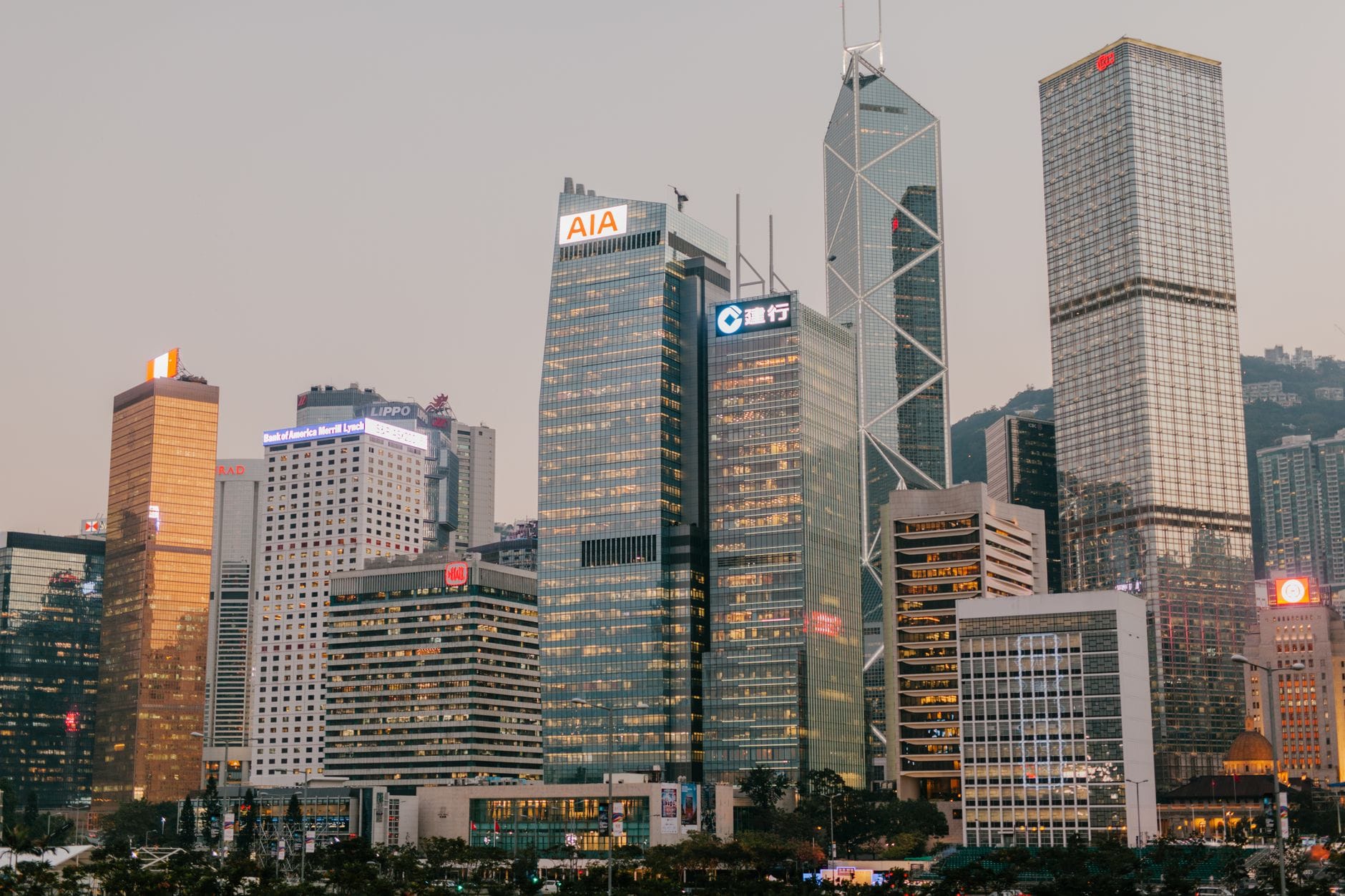
When a single equestrian estate in Kansas City carries a $14.3 million price tag and the potential to expand to nearly 200 acres, it demands attention from alternative asset allocators — not lifestyle buyers. Ultra-high-net-worth family offices across Hong Kong, Singapore, and Tokyo have steadily increased their exposure to trophy agricultural and recreational real estate in North America over the past five years, with cross-border transactions in this category rising by an estimated 34% between 2019 and 2024 according to data tracked by Knight Frank's Wealth Report. For Asian investors seeking hard-asset diversification beyond equities, fixed income, and even the now-crowded luxury collectibles market, institutional-grade agricultural land with income-generating infrastructure is emerging as a credible allocation thesis.
The Kansas City property sits at the intersection of two converging trends: the globalisation of equestrian sport investment and the structural appreciation of premium American farmland. USDA data shows that U.S. cropland and pasture values have appreciated at a compound annual growth rate of approximately 6.1% over the past decade — outpacing inflation and rivalling mid-tier private equity returns on a risk-adjusted basis. For a family office already holding whisky casks, vintage wine, or classic cars as illiquid alternative positions, a trophy equestrian estate offers a non-correlated, tangible store of value with both operational income potential and long-term land appreciation.
What Does the $14.3 Million Estate Include?
The estate's core infrastructure is substantial by any institutional benchmark. The main residence spans approximately 13,000 square feet, positioning it firmly in the upper tier of residential real estate by floor area — comparable in scale to private compounds seen in Phuket or Sentosa Cove, but at a materially lower price-per-square-foot than either Asian luxury market. Supporting structures include guest accommodation, multiple operational barns, and a fully enclosed indoor equestrian arena — the latter being a critical asset for year-round income generation through boarding, training, and competition hosting fees.
The expansion optionality to nearly 200 acres is arguably the most compelling feature from an investment structuring perspective. Land banking in proximity to a major U.S. metropolitan area — Kansas City straddles the Missouri-Kansas border and anchors a regional economy with over $150 billion in GDP — provides a long-duration hedge against urban sprawl and agricultural commodity cycles. Asian sovereign wealth vehicles and family offices have historically underweighted Midwest U.S. real estate relative to coastal markets, creating a valuation gap that sophisticated allocators are beginning to close.
- Main Residence: Approximately 13,000 sq ft, multi-wing layout with premium finishes
- Guest Accommodation: Separate quarters suitable for staff, trainers, or rental income
- Equestrian Infrastructure: Multiple barns plus a covered indoor arena for year-round operations
- Land Expandability: Current holding expandable to nearly 200 acres, enhancing agricultural and development optionality
- Asking Price: $14.3 million USD, equating to approximately SGD 19.3 million or HKD 111.5 million at current rates
Why Are Asia-Pacific Investors Looking at U.S. Equestrian Real Estate?
Equestrian sport has long carried institutional weight in Asia-Pacific, particularly in Hong Kong — home to the Hong Kong Jockey Club, one of the world's largest non-government taxpayers with annual revenues exceeding HKD 30 billion. Japan's JRA (Japan Racing Association) handles wagering volumes that dwarf most Western equivalents. This cultural and financial familiarity with equestrian ecosystems makes horse-related real estate a legible asset class for Asian family offices in a way it may not be for generalist European investors. Owning the infrastructure — the land, the arena, the barns — rather than the horses themselves, provides exposure to the sector's economics without the biological risk of livestock ownership.
Singapore-based multi-family offices have shown growing appetite for what advisors now term "productive land assets" — real estate that generates operational cash flow while appreciating in underlying value. A well-managed equestrian facility in a supply-constrained suburban market can generate boarding revenues of $800 to $2,500 per horse per month, with premium training facilities commanding the upper end. At full operational capacity across multiple barns, a property of this scale could generate gross revenues in the range of $500,000 to $1.2 million annually before accounting for land appreciation — figures that begin to construct a credible IRR model for a five-to-ten-year hold period.
How Does This Fit an Alternative Asset Portfolio?
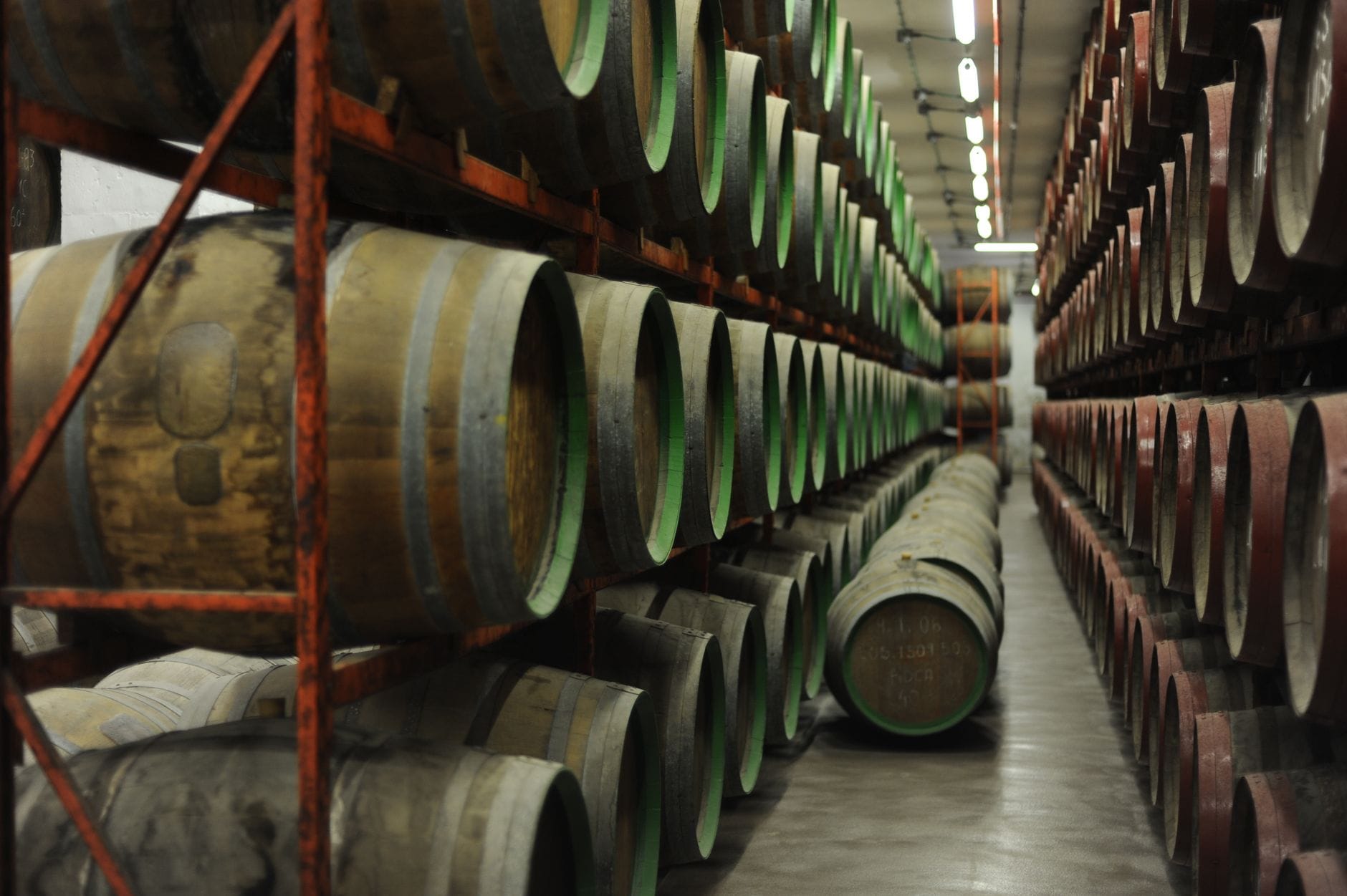
For Asian family offices already allocating 10–20% of AUM to alternatives — whisky casks, fine wine, art, classic cars, or rare watches — a U.S. equestrian estate represents a distinct sub-category: operational real assets. Unlike a whisky cask sitting in a Scottish warehouse, or a vintage Patek Philippe in a Geneva vault, this asset produces income, requires active management, and carries different liquidity characteristics. That is precisely its portfolio role: a long-duration, low-volatility anchor alongside more liquid collectible positions. Knight Frank's 2024 Wealth Report noted that 27% of UHNW respondents in Asia-Pacific planned to increase real estate allocations outside their home region over the next two years — and trophy agricultural properties in stable jurisdictions are a primary beneficiary of that flow.
Currency dynamics also merit attention. With the U.S. dollar remaining structurally strong against several Asian currencies, locking in a USD-denominated hard asset at current valuations provides a natural hedge for family offices holding significant local-currency liabilities. The $14.3 million entry point, while substantial, is below the threshold that triggers CFIUS review for most passive real estate acquisitions, simplifying the regulatory pathway for Asian buyers compared to agricultural land in more sensitive U.S. states.
Frequently Asked Questions
Is U.S. equestrian real estate a viable alternative asset for Asian family offices?
Yes, particularly for family offices with existing exposure to equestrian sport through racing or breeding. The asset class combines land appreciation, operational income from boarding and training, and non-correlation to public markets. USDA data shows U.S. pasture and farmland values appreciating at roughly 6.1% CAGR over the past decade, making it competitive with mid-tier private equity on a risk-adjusted basis.
What are the income-generating potential figures for a property of this scale?
A well-managed equestrian facility of this size — with multiple barns and an indoor arena — can generate gross boarding and training revenues of $500,000 to $1.2 million annually at full operational capacity, depending on local market rates and facility utilisation. Premium indoor arenas command higher rates and extend the revenue season year-round.
Are there regulatory hurdles for Asian buyers acquiring U.S. agricultural real estate?
Passive real estate acquisitions below certain thresholds generally do not trigger CFIUS (Committee on Foreign Investment in the United States) review, though buyers should obtain qualified U.S. legal counsel. Some states have restrictions on foreign ownership of agricultural land, but Missouri and Kansas have comparatively straightforward frameworks for international purchasers.
How does this compare to other alternative asset classes popular in Asia-Pacific?
Unlike whisky casks, fine wine, or classic cars — which are purely speculative stores of value — an equestrian estate generates operational cash flow while appreciating. It is less liquid than collectibles but offers a longer duration return profile and serves as a tangible hedge against currency depreciation and inflation. It is best viewed as a complement to, rather than a replacement for, liquid alternative positions.
What is the expansion optionality worth on a property like this?
Expansion to nearly 200 acres in a major metropolitan region provides significant optionality value. Suburban land near a $150 billion GDP city like Kansas City carries both agricultural income potential and long-term development upside. This optionality is difficult to price precisely but represents a meaningful embedded call option for long-hold investors.
💼 Exploring alternative asset allocation? Speak to Whisky Cask Club — Singapore's leading specialists in Scottish whisky cask investment.