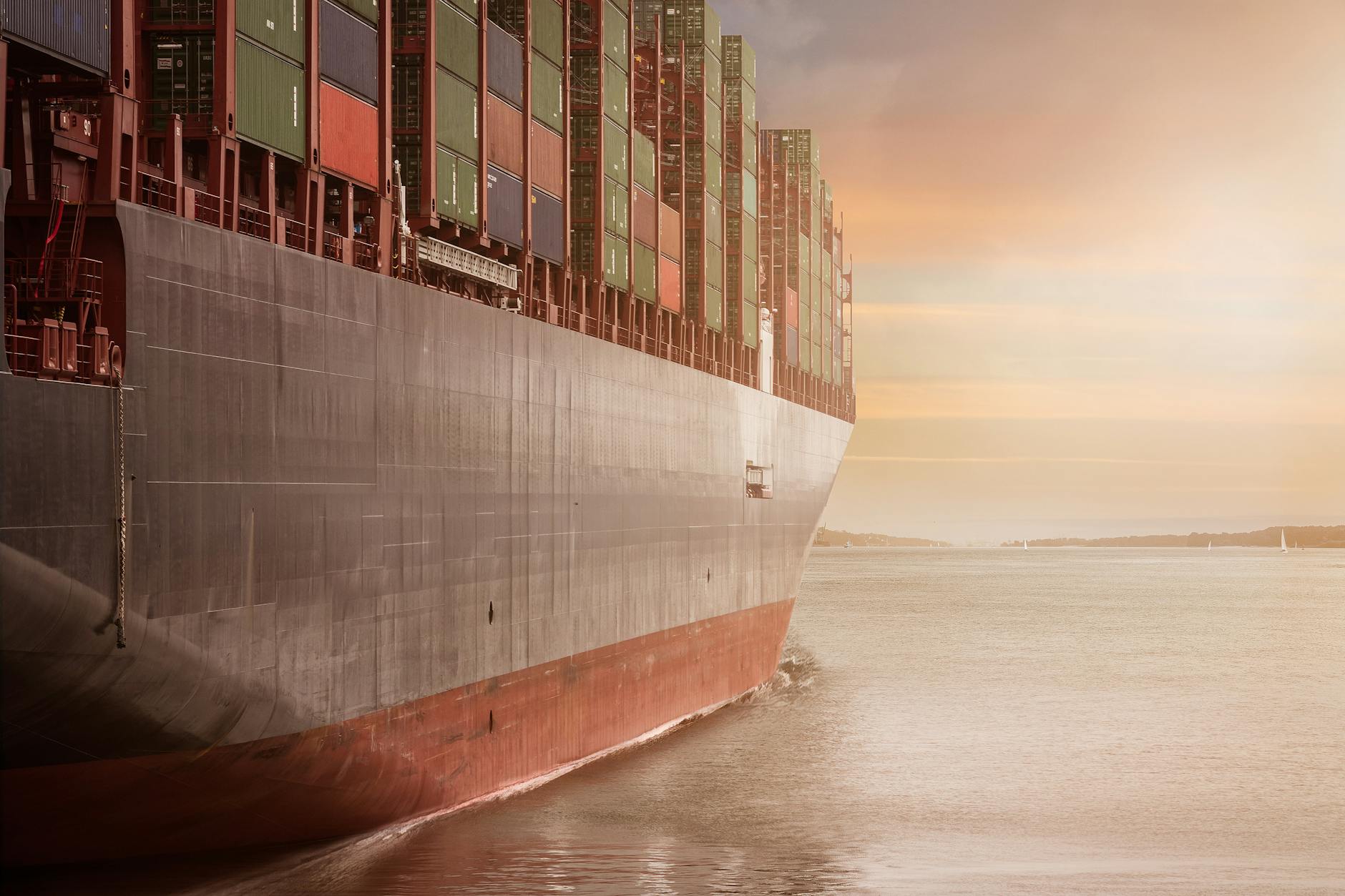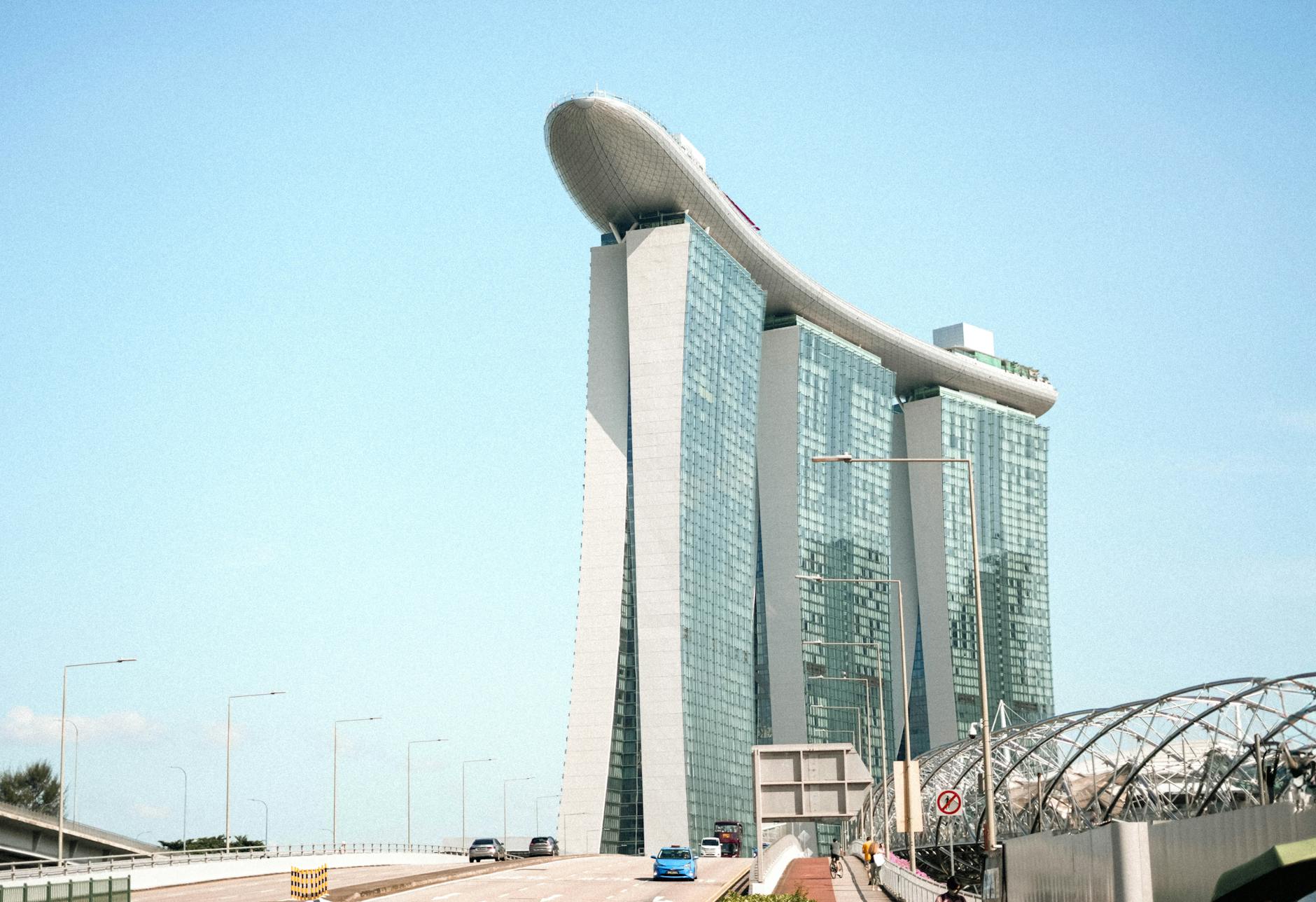
Numarine's Classic superyacht line blends heritage design with modern engineering in a $10.4B global market. Asia-Pacific family offices are increasingly treating superyachts as structured hard assets with charter yield and resale value credentials worth modelling into alternative allocation frameworks.
Superyacht Investment: Where Hard Assets Meet the High Seas
The global superyacht market was valued at approximately $10.4 billion in 2023 and is projected to reach $15.8 billion by 2030, according to Grand View Research — a compound annual growth rate of roughly 6.2%. That trajectory has not gone unnoticed by Asia-Pacific family offices, where ultra-high-net-worth allocators are increasingly treating superyachts not merely as lifestyle acquisitions but as structured hard assets with charter yield potential, depreciation tax advantages, and — in select cases — genuine appreciation. Turkish builder Numarine's newly unveiled Classic line enters this conversation with precise timing, offering a design philosophy that deliberately bridges the timeless aesthetics of mid-century European yacht building with the performance engineering demanded by today's owner-operators.
The Classic range is positioned as a direct response to a segment of the market that felt underserved by the dominant trend toward angular, modernist superyacht design. Numarine, which has built a strong reputation through its 26XP and 32XP explorer yacht series, is now targeting buyers who want sweeping sheerlines, teak-heavy exteriors, and a visual vocabulary rooted in the golden age of Mediterranean yachting — but who refuse to sacrifice range, fuel efficiency, or interior technology. The first vessel in the Classic line is expected to debut at a price point north of €15 million, positioning it firmly within the mid-tier superyacht bracket where resale liquidity is historically strongest.
What Makes the Numarine Classic Line Investable?
From a pure asset perspective, the investment case for a superyacht like the Numarine Classic rests on several pillars that experienced alternative asset allocators will recognise. First, charter yield: a well-managed superyacht in the 30–40 metre range can generate gross charter revenues of €500,000 to €1.2 million annually in peak Mediterranean or Caribbean seasons, with Asia-Pacific charter demand — particularly out of Phuket, the Whitsundays, and the Coral Triangle — growing at an estimated 8–11% per year. Second, the heritage design premium: brokerage data from Burgess Yachts and Fraser Yachts consistently shows that classically styled vessels from reputable builders retain 10–15% more of their original value at the five-year mark compared to trend-driven modernist designs that fall out of fashion.
Numarine's build quality credentials are a further consideration. The yard operates out of Istanbul and has delivered over 200 vessels since its founding, with a documented focus on cold-moulded composite construction that reduces hull weight while improving structural integrity. The Classic line reportedly uses a hybrid propulsion option, which addresses the growing ESG screening criteria being applied by European and Singaporean charter operators. For a family office structuring a superyacht through a Malta or Cayman Islands special purpose vehicle — a standard approach for tax efficiency — the hybrid classification may also unlock preferential port fees in an increasing number of jurisdictions.
Asia-Pacific Buyer Flows and Regional Demand Signals
Asia-Pacific buyers now account for an estimated 18–22% of new superyacht orders globally, up from under 10% a decade ago, according to industry data compiled by the International Superyacht Society. The primary demand centres are Singapore, Hong Kong, and increasingly Bangkok and Jakarta, where second-generation wealth holders are diversifying away from equities and real estate into experiential hard assets. Singapore's MAS-regulated family office ecosystem — which saw the number of single-family offices grow from roughly 400 in 2020 to over 1,100 by end-2023 — has become a key structuring hub for superyacht ownership, with several local multi-family offices now offering dedicated marine asset advisory services.
The scarcity dynamic also favours classic-design vessels in the Asia-Pacific context. The region has a limited inventory of heritage-styled superyachts available for charter or resale at any given time, meaning that a Numarine Classic delivered to an Asian owner in 2025 or 2026 would enter a thin secondary market with pricing power intact. Comparable vessels from Benetti's Classic Supreme series and Codecasa's traditional steel-hull range have shown auction and private-treaty resale premiums of 8–12% above broker estimates in Singapore and Hong Kong transactions over the past three years, according to brokerage sources.
Allocation Framework: Where Does a Superyacht Sit in the Portfolio?
For a family office running a standard alternative asset sleeve of 10–15% of total AUM, a superyacht typically occupies the same bracket as a trophy wine cellar, a significant watch collection, or a classic car stable — assets that carry lifestyle optionality alongside financial return. The key distinction is scale: a superyacht requires active management, crew costs (typically 10–15% of vessel value annually), insurance, and refit cycles every five years. Net charter yield after operating costs typically runs 2–4% on asset value, which is modest but comparable to storage-intensive collectibles like whisky casks or fine art in bonded warehouses.
What the Numarine Classic adds to this calculus is brand credibility and design longevity. In a market where resale value is disproportionately driven by aesthetic durability, a vessel that looks as relevant in 2035 as it does in 2025 is a materially better asset than one that dates itself within a decade. Asia-Pacific private bankers advising on alternative allocations would be wise to track the Classic line's order book closely — early delivery slots on vessels from emerging builders with strong resale histories have historically commanded 5–8% premiums on the secondary market before the vessel is even launched.
Frequently Asked Questions
What is the Numarine Classic superyacht line and how is it priced?
The Numarine Classic is a new range of superyachts from Turkish builder Numarine, designed to combine heritage Mediterranean aesthetics with modern engineering including hybrid propulsion options. The first vessel in the line is expected to be priced above €15 million, placing it in the mid-tier superyacht segment where resale liquidity has historically been strongest.
How do superyachts fit into an alternative asset allocation strategy?
Superyachts are increasingly treated as structured hard assets within family office alternative sleeves, alongside art, wine, watches, and classic cars. They offer charter yield potential of 2–4% net annually, depreciation tax advantages when structured through an SPV, and in classically designed vessels, meaningful value retention at the five-year resale mark.
What is driving Asia-Pacific superyacht demand?
Asia-Pacific buyers now represent 18–22% of global new superyacht orders, driven by Singapore, Hong Kong, Bangkok, and Jakarta. The growth of Singapore's single-family office ecosystem — from 400 offices in 2020 to over 1,100 by end-2023 — has created a significant structuring and advisory infrastructure for marine asset ownership in the region.
Do classically styled superyachts retain value better than modern designs?
Brokerage data from Burgess Yachts and Fraser Yachts indicates that classically styled vessels from reputable builders retain 10–15% more of their original value at the five-year mark compared to trend-driven modernist designs. Comparable vessels from Benetti and Codecasa have shown resale premiums of 8–12% above broker estimates in recent Singapore and Hong Kong transactions.
What are the ongoing costs of superyacht ownership that investors should model?
Crew costs typically run 10–15% of vessel value annually, with additional insurance, maintenance, and five-year refit cycles to budget for. Gross charter revenues for a 30–40 metre vessel can reach €500,000 to €1.2 million per year in peak seasons, but net yield after operating costs generally falls in the 2–4% range on asset value.
💼 Exploring alternative asset allocation? Speak to Whisky Cask Club — Singapore's leading specialists in Scottish whisky cask investment.