A six-bedroom French riverside villa listed at $1.8 million is drawing Asia-Pacific family office interest as European hard assets gain traction post-Singapore ABSD increases. French rural waterfront property has appreciated 22% since 2019, with Singapore buyer enquiries up 31% year-on-year in Q1 2024.
French Riverside Real Estate as an Alternative Asset Class
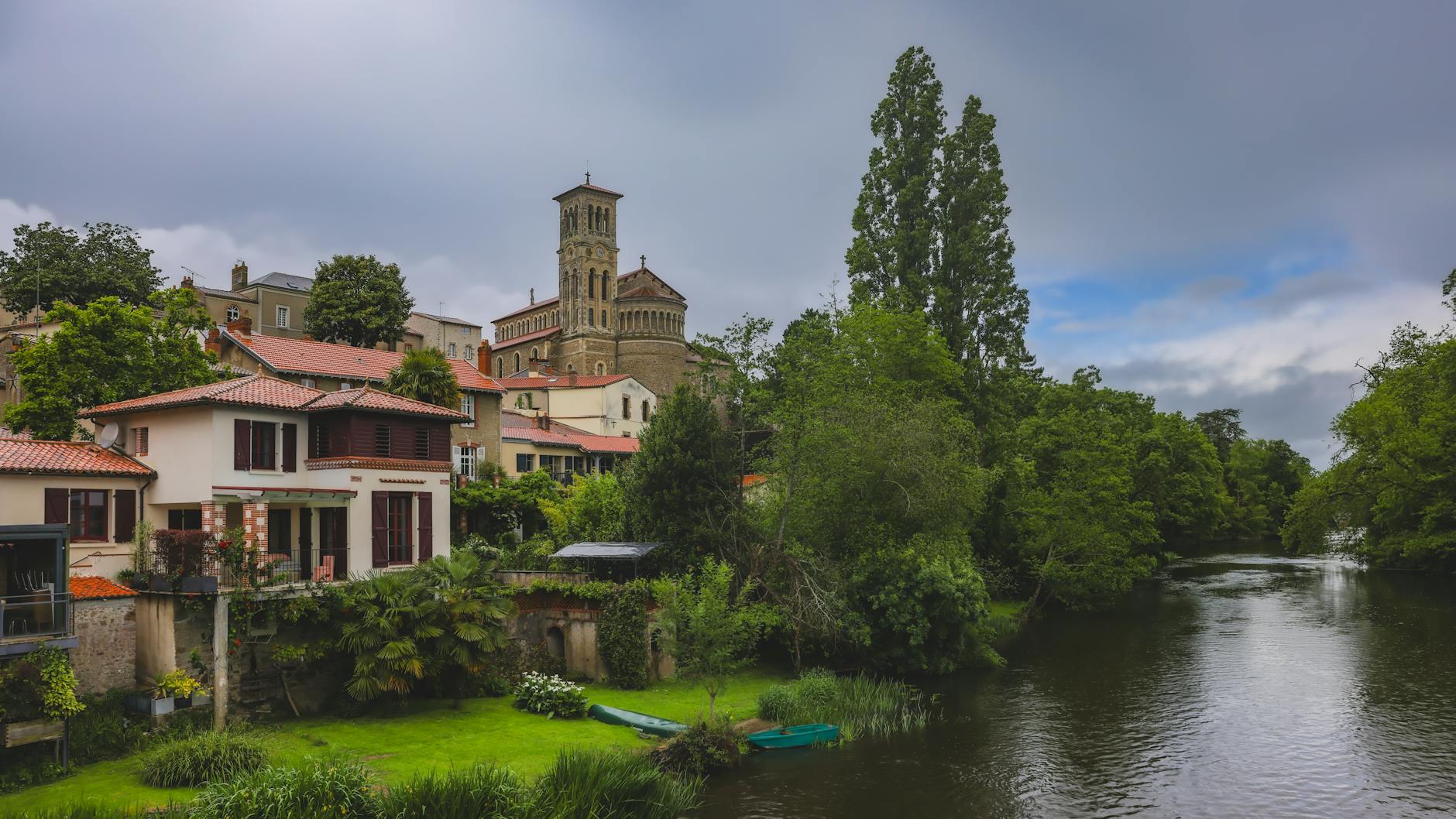
European residential real estate — particularly characterful rural estates in France — has quietly re-entered the portfolio conversation among Asia-Pacific private wealth managers over the past three years. This six-bedroom riverside villa, listed at approximately $1.8 million USD and spanning five acres of grounds, sits at a price point that many Singapore and Hong Kong family offices now regard as accessible hard-asset exposure rather than pure lifestyle expenditure. Knight Frank's 2023 Wealth Report noted that ultra-high-net-worth individuals across Asia-Pacific increased their cross-border real estate allocations by 14% year-on-year, with France ranking among the top five destination markets outside of the United States and United Kingdom.
The property's configuration — private dock, swimming pool, tennis court, and traditional stone architecture updated with contemporary interiors — is not incidental to its investment thesis. Buyers from Singapore, where the Additional Buyer's Stamp Duty on residential property now reaches 60% for foreigners, are actively redirecting liquidity toward European assets that carry no equivalent fiscal penalty. For a family office managing $50–200 million AUM, a $1.8 million French estate represents a 1–4% allocation to a tangible, income-generative asset that can be monetised through the premium short-term rental market.
What Makes This Property Institutionally Interesting?
The estate's five-acre footprint along a French river corridor positions it within a category that has demonstrated consistent scarcity dynamics. Riverside and waterfront rural properties in France's Dordogne, Loire, and Lot valleys have seen average price appreciation of 22% between 2019 and 2023, according to data compiled by French notary association Notaires de France. Supply in this segment is structurally constrained — heritage listing requirements, agricultural land protections, and riparian access regulations mean that comparable properties rarely come to market in volume.
The blend of traditional stone architecture with modern updates — typically including updated kitchens, contemporary bathrooms, and improved insulation to meet France's DPE energy ratings — is a specific value driver. French legislation now mandates energy performance certificates for all residential transactions, and properties upgraded to Band C or above command a measurable premium of 8–12% over unrenovated equivalents. Buyers acquiring at the $1.8 million level with this profile are effectively purchasing a post-renovation asset without absorbing the execution risk of a renovation project themselves.
- Listing price: $1.8 million USD (approximately €1.65 million at current rates)
- Land area: Five acres with private river frontage and dock
- Bedrooms: Six, with traditional stone exterior and modernised interiors
- Amenities: Swimming pool, tennis court, private dock
- Price appreciation (comparable French rural waterfront, 2019–2023): +22% (Notaires de France)
Why Asia-Pacific Buyers Are Looking at France Right Now
The macro context for this buyer flow is well-documented. Singapore's 60% ABSD rate for foreign buyers, introduced in April 2023, effectively closed the city-state's residential market to non-permanent residents as an investment vehicle. Hong Kong's stamp duty regime carries similar disincentives. The result has been a measurable reallocation of liquidity — Savills reported in Q1 2024 that Singapore-based buyers increased French property enquiries by 31% year-on-year following the ABSD revision, with rural estates and chateaux accounting for a disproportionate share of that interest.
Japanese and Thai family offices have also entered this conversation, driven partly by currency dynamics. The sustained weakness of the Japanese yen has paradoxically increased interest in euro-denominated hard assets as a hedge against further domestic currency depreciation. Thai high-net-worth buyers, many of whom already hold European residency through investment visa programmes, view French rural property as a complement to existing allocations in Swiss real estate and London residential. A $1.8 million entry point in France compares favourably with equivalent waterfront or countryside properties in Switzerland, where comparable assets routinely price above CHF 4 million.
Positioning This Within a Broader Alternative Asset Allocation
For Asia-Pacific family offices already holding positions in whisky casks, fine wine, or classic cars, a French riverside estate occupies a distinct but complementary role in the alternatives sleeve. Unlike cask whisky — which offers relatively high liquidity through established secondary markets in Singapore and London — real estate carries longer hold periods and higher transaction costs, but also delivers rental yield alongside capital appreciation. The premium short-term rental market in rural France, driven by European domestic tourism and the post-pandemic preference for private villa stays, has seen nightly rates for six-bedroom properties with pools and river access reach €800–1,500 per night during peak season. At 60–70 nights of annual occupancy, gross rental yield on a $1.8 million asset approaches 3–4% before costs — modest by Asian residential standards, but meaningful when combined with anticipated capital growth in a supply-constrained segment.
The strategic question for allocators is not whether French rural real estate belongs in a diversified alternatives portfolio, but at what weighting and in combination with which other asset classes. A balanced approach might pair a 2–3% real estate allocation with equivalent positions in Scotch whisky casks and fine wine, creating a portfolio of tangible European assets with differentiated liquidity profiles, return drivers, and currency exposures. As Asian family offices continue to build out their alternatives programmes beyond listed equities and private credit, hard assets with genuine scarcity characteristics — whether a riverside estate in France or a first-fill bourbon cask maturing in Speyside — are increasingly central to the conversation.
Frequently Asked Questions
What is the investment case for French rural real estate from an Asia-Pacific perspective?
French rural waterfront estates offer a combination of structural supply scarcity, moderate capital appreciation (approximately 22% over 2019–2023 for comparable properties), and rental income potential. For Asia-Pacific buyers facing punitive stamp duties at home — Singapore's ABSD now reaches 60% for foreign buyers — France presents a liquid, euro-denominated hard asset without equivalent fiscal barriers to entry.
How does a $1.8 million French estate compare to other alternative assets at the same price point?
At $1.8 million, an investor could alternatively acquire a portfolio of Scotch whisky casks with projected annualised returns of 10–15%, a collection of investment-grade fine wine, or a classic European automobile. The French estate offers lower projected returns but adds diversification through rental yield, physical utility, and exposure to European property markets that are structurally uncorrelated with Asian equity indices.
Why are Singapore and Hong Kong buyers increasingly interested in French property?
Singapore's April 2023 ABSD increase to 60% for foreign residential buyers effectively eliminated Singapore residential property as an investment vehicle for non-permanent residents. Savills data shows French property enquiries from Singapore-based buyers rose 31% year-on-year in Q1 2024. France offers no equivalent foreign buyer surcharge, a transparent legal framework, and access to the Schengen zone.
What rental income can a six-bedroom French riverside villa generate?
Premium rural villas with pools and private river access in France are achieving nightly rates of €800–1,500 during peak season. At 60–70 nights annual occupancy — conservative for a well-marketed property — gross rental yield on a $1.8 million asset approaches 3–4% before management fees and maintenance costs. This positions the asset as yield-generating rather than purely speculative.
How does French rural real estate fit within a broader alternative asset allocation for a family office?
Most Asia-Pacific family offices allocating to alternatives target a 10–20% alternatives sleeve within total AUM. Within that sleeve, real estate typically occupies 30–40%, with the remainder distributed across private equity, commodities, and collectibles including whisky casks, fine wine, and art. A French estate at $1.8 million would represent a 1–4% total portfolio allocation for a family office managing $50–200 million AUM — meaningful exposure without concentration risk.
💼 Exploring alternative asset allocation? Speak to Whisky Cask Club — Singapore's leading specialists in Scottish whisky cask investment.