Bank of America grants fund restoration of Titian's Bacchus and Ariadne at London's National Gallery. This institutional support signals confidence in Old Masters as an asset class, where documented conservation histories can drive significant price premiums at auction.
Art Conservation Funding as an Investment Signal
Bank of America's Art Conservation Project has confirmed a new round of grants covering 18 international institutions, with London's National Gallery among the lead beneficiaries. The centrepiece of the National Gallery's allocation is the forthcoming conservation of Titian's Bacchus and Ariadne (c.1520–23), one of the most celebrated works in Western European painting. For institutional art investors and family offices tracking the Old Masters segment, this development carries measurable relevance: conservation-backed provenance is now a documented price driver at auction, with restored works commanding premiums of 15–30% over comparable unrestored pieces in recent Christie's and Sotheby's data.
Bank of America's programme, now in its third decade, has channelled over $42 million USD into conservation projects across more than 40 countries. The 2025–26 grant cycle covers works spanning five centuries and multiple mediums, from panel paintings to tapestries. The programme's scale and longevity lend it credibility as a benchmark for institutional art stewardship — and its grant recipients function as a de facto quality screen for serious collectors.
Why Titian's Bacchus and Ariadne Matters to the Market
Titian's Bacchus and Ariadne is not a work that will come to auction — it is a national treasure held in perpetuity by the National Gallery. But its conservation carries significant market implications for the broader Old Masters category. When flagship works of this calibre undergo documented restoration, they reset collector expectations around condition standards across the segment. Dealers and auction specialists consistently note that high-profile museum restorations elevate buyer scrutiny — and willingness to pay — for comparable works in private hands.
The last major auction benchmark for Titian came in 2011, when a portrait attributed to the artist achieved £16.9 million at Christie's London, more than doubling its pre-sale estimate. Since then, the Old Masters segment has faced headwinds from younger collector demographics gravitating toward contemporary and post-war work. However, 2024 auction data from Artnet shows Old Masters recovering, with total global sales up 11% year-on-year to approximately $1.2 billion USD — a figure driven in part by renewed Asian buyer participation, particularly from Hong Kong, Singapore, and increasingly Japan.
Asia-Pacific Buyers and the Old Masters Allocation Thesis
Asian family offices have historically underweighted Old Masters relative to their Western counterparts, with allocation typically running at 3–7% of total art holdings versus 15–20% in European family office portfolios. That gap is narrowing. Hong Kong-based collectors and Singapore-registered family offices have been increasingly active in the sub-$5 million Old Masters bracket at both Christie's and Sotheby's Asian salerooms, where works are increasingly offered with full condition reports and conservation histories. The Bank of America grant programme, by funding rigorous documentation of major works, raises the evidentiary bar that sophisticated Asian buyers now expect before committing capital.
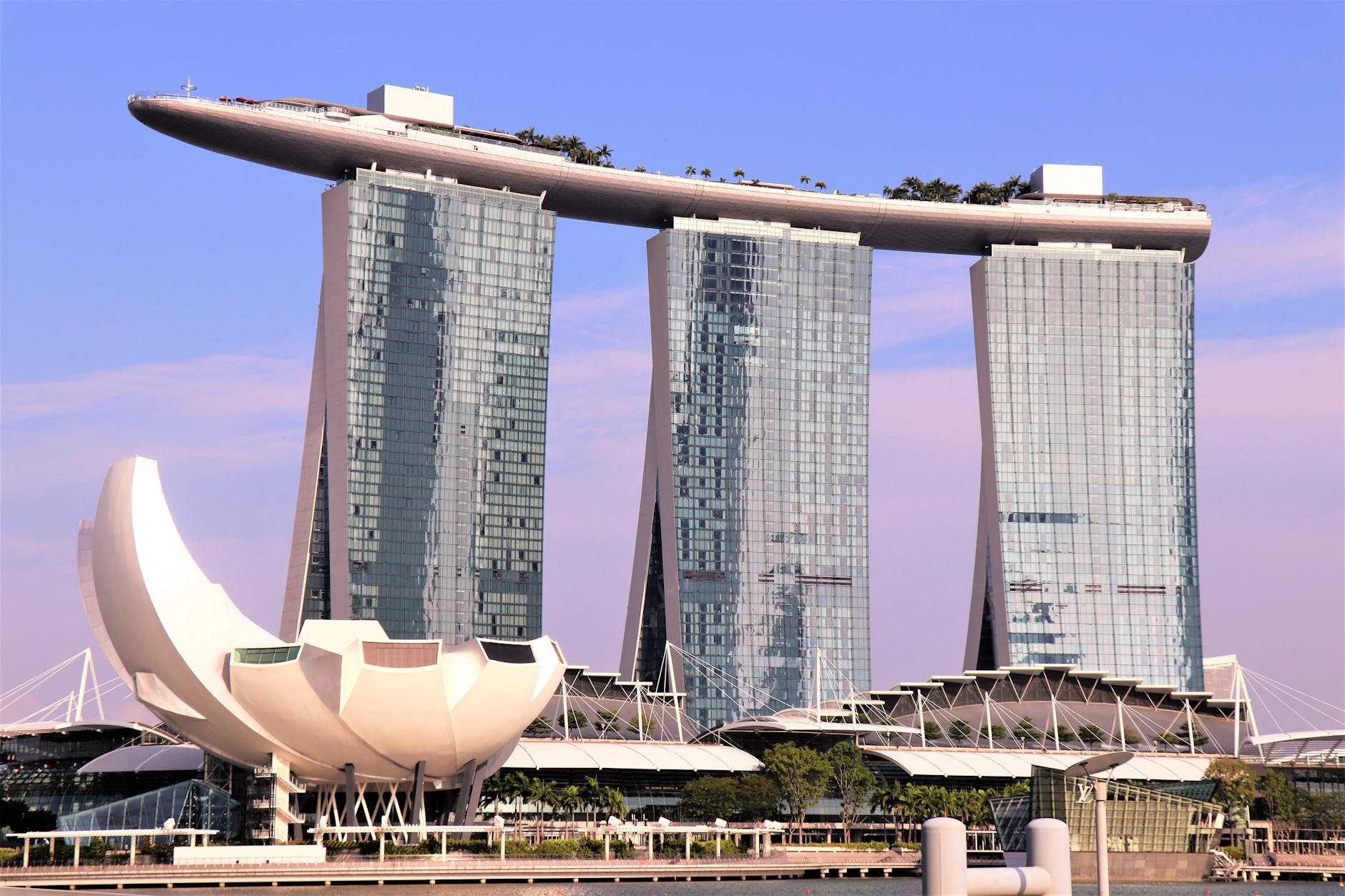
Singapore's art finance market has also matured considerably, with Athena Art Finance and several private banks now offering lending against Old Masters at loan-to-value ratios of 40–50%. This liquidity infrastructure makes the asset class more accessible to family offices seeking to deploy art as collateral rather than purely as a trophy holding. Conservation pedigree — precisely what the Bank of America programme produces — is a prerequisite for most art-secured lending facilities.
Key Data Points for Portfolio Consideration
- Bank of America Art Conservation Project total funding: Over $42 million USD across 40+ countries since inception
- 2025–26 grant cycle: 18 institutions globally, including the National Gallery, London
- Old Masters global auction sales (2024): Approximately $1.2 billion USD, up 11% year-on-year (Artnet)
- Conservation premium at auction: 15–30% over unrestored comparable works (Christie's/Sotheby's data)
- Asian family office Old Masters allocation: Typically 3–7% of art holdings, versus 15–20% in European portfolios
- Art-secured lending LTV on Old Masters: 40–50% at Singapore-based art finance facilities
Forward Outlook: Conservation as a Catalyst for Asian Demand
The convergence of institutional conservation investment and rising Asian collector sophistication creates a structural opportunity for advisers positioning Old Masters within alternative asset portfolios. As works like Bacchus and Ariadne receive renewed scholarly and public attention through conservation campaigns, the broader category benefits from elevated media coverage and renewed auction house marketing cycles. Christie's and Sotheby's both schedule major Old Masters sales in the 12 months following high-profile restoration announcements — a pattern that has historically produced above-average realisation rates.
For Asia-Pacific investors, the actionable insight is straightforward: works with documented conservation histories from credible institutions command higher prices, attract better financing terms, and carry lower reputational risk in a portfolio context. Family offices in Singapore and Hong Kong with existing art allocations should be reviewing condition and conservation records across their holdings as a matter of standard due diligence. Those entering the category for the first time would do well to prioritise works with institutional-grade provenance documentation — the kind of standard that the Bank of America programme helps define globally.
Frequently Asked Questions
What is the Bank of America Art Conservation Project?
The Bank of America Art Conservation Project is a long-running corporate philanthropy initiative that funds the restoration and preservation of significant artworks held by public institutions globally. Since its inception, the programme has committed over $42 million USD to conservation projects in more than 40 countries, covering works across multiple centuries and mediums.
How does conservation funding affect art investment values?
Conservation funding affects art investment values in several ways. Restored works with documented condition histories command auction premiums of 15–30% over unrestored comparables. Conservation records also improve access to art-secured lending, as finance facilities require detailed condition documentation before extending credit against a work. Institutional conservation programmes additionally raise the overall quality benchmark within a category, supporting prices across comparable works in private hands.
Why are Asian family offices increasing Old Masters allocations?
Asian family offices are increasing Old Masters allocations due to a combination of maturing art finance infrastructure, improved auction house access in Hong Kong and Singapore, and a broader diversification trend away from equities and real estate. The segment's relative undervaluation compared to contemporary art, combined with rising liquidity through art-secured lending, makes it an increasingly attractive alternative asset class for sophisticated regional investors.
What role does provenance play in Old Masters pricing?
Provenance plays a central role in Old Masters pricing. A clear, well-documented ownership history reduces the risk of legal disputes and increases buyer confidence, both of which support higher realisation rates at auction. Conservation records form part of the provenance narrative, and works that have passed through major institutional programmes — such as the Bank of America grants — carry an additional layer of scholarly validation that the market consistently rewards with price premiums.
How can Singapore-based investors access Old Masters as an asset class?
Singapore-based investors can access Old Masters through international auction houses with local offices, specialist art advisers, and art finance facilities that offer lending against existing holdings. Several private banks in Singapore now provide structured art investment services, and platforms such as Athena Art Finance extend credit at 40–50% LTV against qualifying works. Investors should prioritise works with full condition reports and institutional conservation histories to maximise both liquidity and financing options.
💼 Exploring alternative asset allocation? Speak to Whisky Cask Club — Singapore's leading specialists in Scottish whisky cask investment.