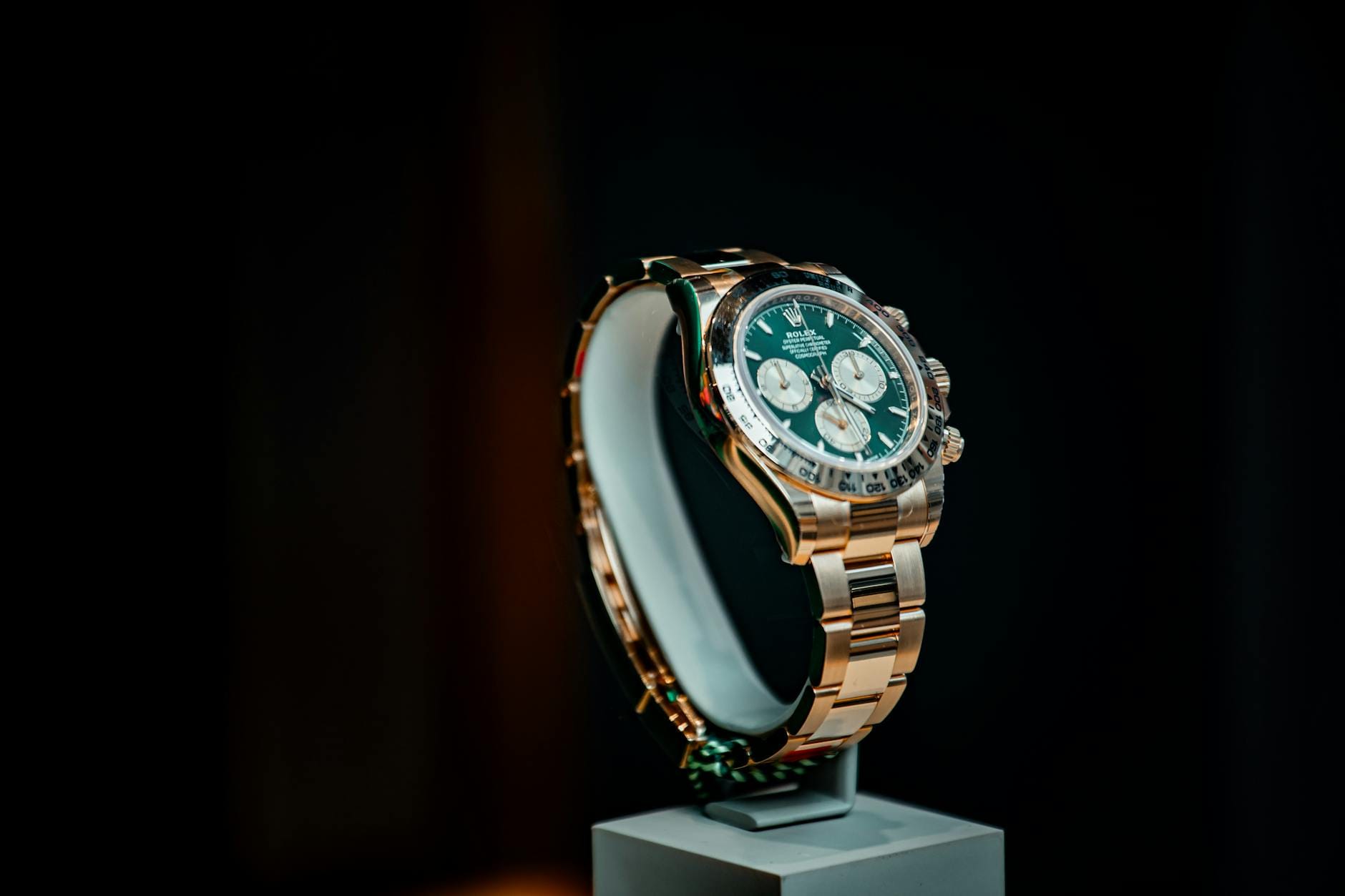
Trump's plan to repaint the Eisenhower Building may cost over USD 7.5 million — a figure that highlights why Asia-Pacific family offices favour portable heritage assets like whisky casks and fine wine over high-maintenance physical landmarks.
When Government Spending Meets Heritage Asset Valuation
The proposed repainting of Washington DC's Eisenhower Executive Office Building — one of America's most recognisable examples of French Second Empire architecture — carries an estimated price tag exceeding USD 7.5 million, according to discussions at a recent National Capital Planning Commission meeting. For Asia-Pacific family offices and private bankers tracking the intersection of institutional capital and heritage assets, this figure is instructive: it underscores just how expensive the preservation, restoration, and alteration of landmark buildings and historically significant objects can be, and why scarcity-driven tangible assets continue to attract serious allocation interest across the region. The Eisenhower Building, situated directly west of the White House, houses the bulk of the Executive Office of the President and has stood since 1871 — making it not merely a government facility, but a document of American institutional history rendered in granite and ornamental ironwork.
The Trump administration's plan to repaint the exterior — currently a distinctive grey — has drawn pointed criticism from preservationists, architects, and the general public alike. At the National Capital Planning Commission meeting where the project was reviewed, one public commenter compared the proposed transformation to the climactic scene in the 1992 dark comedy Death Becomes Her, in which two characters are left as crumbling, paint-slathered shells of their former selves. The analogy was sharp and widely reported, but the underlying financial reality is what commands attention from an investment perspective: USD 7.5 million to repaint a single building is a data point that speaks directly to the cost basis of maintaining, restoring, or repositioning any significant heritage asset.
What Does USD 7.5 Million in Heritage Costs Tell Investors?
To contextualise USD 7.5 million in heritage asset terms, consider that a single first-growth Bordeaux cellar collection — say, a vertical of Pétrus spanning 1990 to 2010 — might fetch between USD 2 million and USD 4 million at major auction houses including Christie's and Sotheby's. A rare Patek Philippe Reference 2499 in yellow gold sold for CHF 3.97 million (approximately USD 4.4 million) at Phillips Geneva in 2023. The cost of repainting one government building, in other words, exceeds the value of some of the most sought-after portable alternative assets in the world. This is precisely why institutional-grade tangible assets — whisky casks, fine wine, rare timepieces, museum-quality art — continue to appeal to Asian family offices seeking stores of value that do not carry the maintenance liabilities of real property or monumental architecture.
The global rare collectibles market was estimated at approximately USD 590 billion in 2024 by Knight Frank's Wealth Report, with Asia-Pacific accounting for a growing share of buyer flows. Hong Kong and Singapore remain the primary transactional hubs, with Sotheby's Hong Kong and Christie's Asia posting combined fine art and collectibles sales exceeding USD 800 million in 2024. Meanwhile, the Liv-ex Fine Wine 1000 index posted a cumulative gain of over 120% across the decade ending 2023, outperforming many traditional fixed income benchmarks during periods of elevated inflation — a dynamic acutely relevant to regional investors navigating currency volatility in markets including the Japanese yen and the Thai baht.
Why Scarcity and Provenance Drive Asian Allocator Interest
The Eisenhower Building controversy highlights something that sophisticated Asian allocators understand intuitively: provenance and historical significance carry enormous embedded value, but that value is fragile. Alter the character of a heritage asset — whether by repainting a Second Empire façade or removing original components from a classic automobile — and you risk destroying precisely the scarcity premium that underpins its worth. This principle applies directly to the whisky cask market, where casks from closed or mothballed Scottish distilleries — Brora, Port Ellen, Rosebank — command substantial premiums over active-distillery equivalents, with some single casks from these closed sites achieving values exceeding GBP 100,000 at specialist brokers and auction platforms.
Singapore-based family offices have been particularly active in whisky cask allocation over the past three years, drawn by the asset class's combination of low correlation to public equity markets, tangible underlying commodity value, and the compounding effect of natural maturation. A cask of Scotch whisky increases in alcoholic concentration and flavour complexity over time, with industry data suggesting that well-selected casks from premium distilleries have appreciated at annualised rates of between 8% and 15% over ten-year holding periods — figures that compare favourably to listed real estate investment trusts across the APAC region during the same window. Japanese buyers, meanwhile, have redirected capital previously allocated to domestic whisky — whose prices surged dramatically following the global boom in Suntory and Nikka expressions — toward Scottish casks as a more accessible and liquid alternative.
The Allocation Case for Portable Heritage Assets
The broader lesson from the Eisenhower Building episode is one that resonates across asset classes: the cost of maintaining, altering, or restoring large-scale heritage assets is prohibitive, illiquid, and subject to political risk. Portable alternative assets — whisky casks, fine wine, rare watches, and investment-grade art — offer exposure to the same scarcity and provenance dynamics without the seven-figure maintenance liabilities. For Asian family offices constructing diversified alternative portfolios, the allocation logic is increasingly clear. Whisky cask investments, in particular, benefit from a regulated, transparent custody framework in Scotland, with independent warehouse receipts providing verifiable proof of ownership — a structure that resonates with compliance-conscious private banks in Singapore and Hong Kong.
As Washington debates the aesthetics and cost of repainting one of its most significant buildings, Asia-Pacific allocators would do well to note the underlying signal: heritage is expensive to maintain and easy to damage, but in the right portable format, it compounds quietly and independently of the political cycle. The smart money in the region is already positioned accordingly, with whisky cask allocations forming an increasingly standard line item in the alternative sleeves of multi-family office portfolios from Tokyo to Bangkok.
💼 Exploring alternative asset allocation? Speak to Whisky Cask Club — Singapore's leading specialists in Scottish whisky cask investment.
Frequently Asked Questions
How much is the Trump administration's Eisenhower Building repaint expected to cost?
The project has been estimated at more than USD 7.5 million, based on figures discussed at a National Capital Planning Commission meeting in 2025. The cost reflects the scale and complexity of working on a landmark French Second Empire structure dating to 1871.
Why is the Eisenhower Building repaint relevant to alternative asset investors?
The cost underscores how expensive it is to maintain or alter large-scale heritage assets, reinforcing the investment case for portable tangible assets — such as whisky casks, fine wine, and rare timepieces — that offer heritage scarcity premiums without the associated maintenance liabilities.
What returns have whisky casks delivered for investors in the Asia-Pacific region?
Industry data suggests that well-selected casks from premium Scottish distilleries have appreciated at annualised rates of between 8% and 15% over ten-year holding periods. Singapore and Hong Kong-based family offices have been among the most active buyers in recent years.
Which closed Scottish distilleries command the highest cask premiums?
Brora, Port Ellen, and Rosebank are among the most sought-after closed distilleries. Single casks from these sites have achieved values exceeding GBP 100,000 at specialist brokers and auction platforms, driven by finite supply and strong collector demand globally.
How does the global rare collectibles market size compare to traditional asset classes?
Knight Frank's 2024 Wealth Report estimated the global rare collectibles market at approximately USD 590 billion. Asia-Pacific accounts for a growing share of this total, with Sotheby's Hong Kong and Christie's Asia posting combined fine art and collectibles sales exceeding USD 800 million in 2024 alone.