A resilient US jobs report amid the Iran energy shock is prompting Asia-Pacific family offices to rotate into tangible alternatives — whisky casks, fine wine, and watches — which have historically outperformed during geopolitical-driven inflation cycles.
US Labor Market Resilience Opens a Window for Alternative Asset Allocation
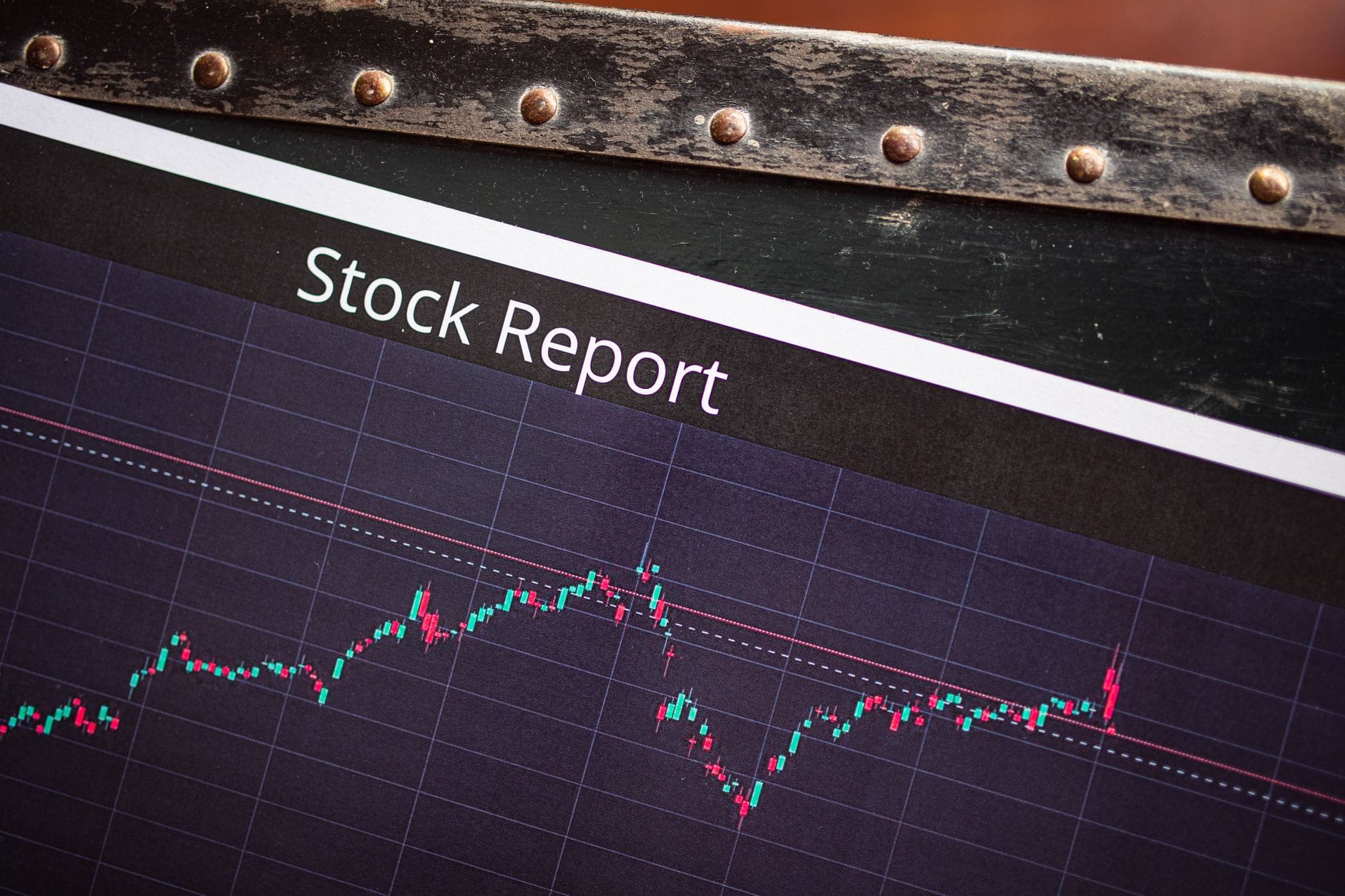
The US jobs report for April 2026 is expected to show non-farm payrolls holding above 180,000 — a figure that, on the surface, suggests the American labor market has not yet absorbed the inflationary shock emanating from the Iran conflict. Energy prices have surged roughly 22% since hostilities escalated in late Q1 2026, and Brent crude briefly touched $112 per barrel in early May. Yet unemployment remains anchored near 4.1%, and wage growth continues to print at approximately 4.3% year-on-year. For Asia-Pacific family offices monitoring cross-asset correlations, this divergence between energy-driven macro stress and labor market stability is a critical signal — one that historically precedes a rotation into hard, inflation-resistant alternative assets.
The pattern is well-documented. During the 2022 energy shock triggered by the Russia-Ukraine conflict, allocations to tangible alternatives — whisky casks, fine wine, rare watches, and classic cars — accelerated among high-net-worth investors in Singapore, Hong Kong, and Tokyo. The Knight Frank Luxury Investment Index recorded a 16% average gain across passion assets in that calendar year, outperforming both global equities and investment-grade bonds. With the Iran war now injecting comparable uncertainty into energy markets, institutional and private wealth managers across the region are revisiting those same playbooks.
Why Geopolitical Energy Shocks Drive Demand for Tangible Alternatives
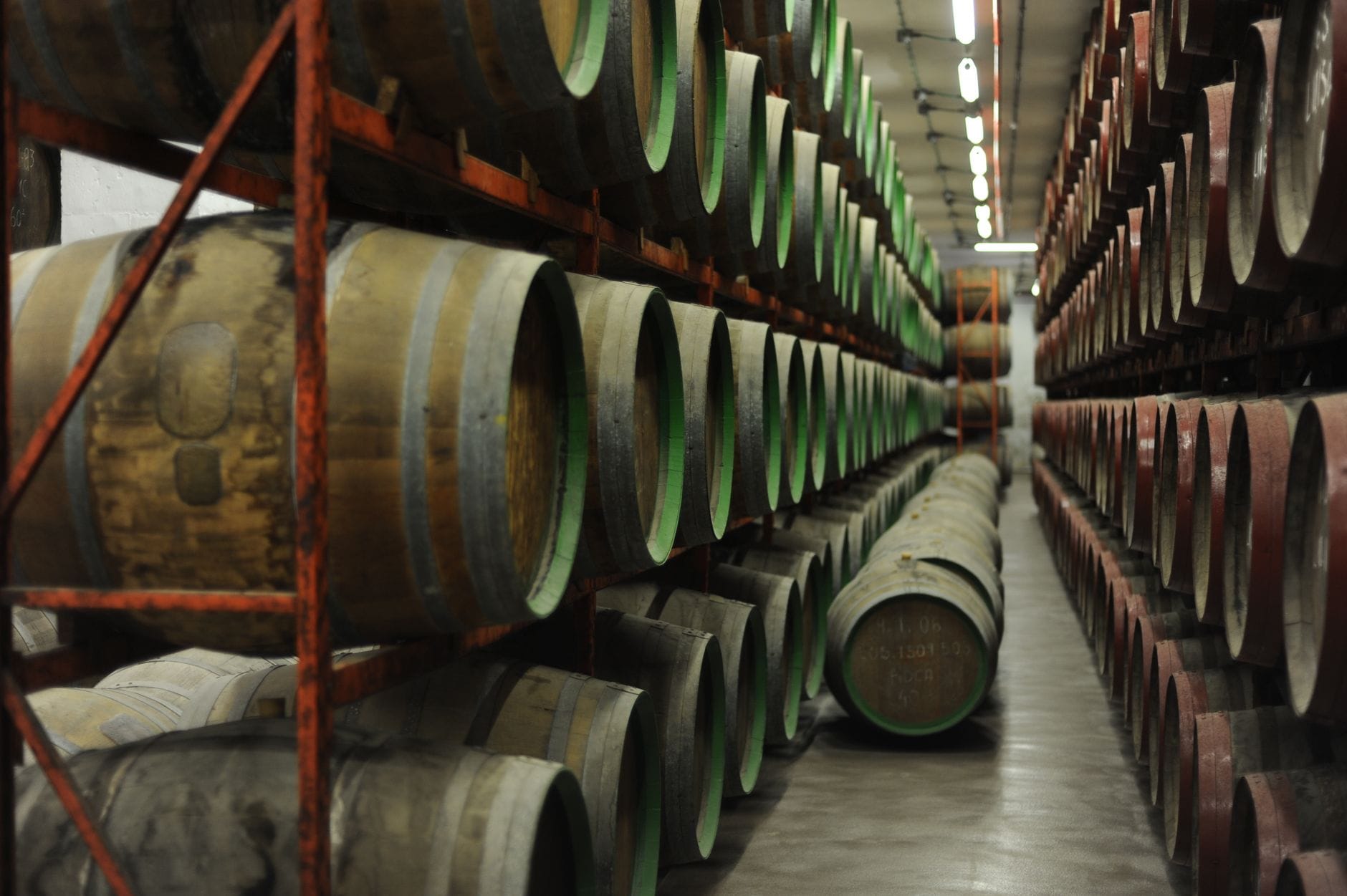
The mechanism is straightforward: when energy costs rise sharply, real purchasing power erodes, equity volatility climbs, and duration-sensitive fixed income becomes less attractive. Investors seeking stores of value that are decoupled from financial market liquidity cycles turn to physical assets with demonstrable scarcity and provable appreciation histories. Scottish malt whisky casks, for instance, delivered a compound annual growth rate of approximately 12.9% over the decade to 2024, according to data compiled by the Scotch Whisky Association and independent cask brokers. That figure is not adjusted for the premium commanded by aged single malts from distilleries such as Macallan, Springbank, or Glenfarclas, where cask valuations have appreciated 30–40% over five-year holding periods in recent secondary market transactions.
Fine wine tells a similar story. The Liv-ex Fine Wine 1000 index gained 8.4% in 2022 during peak energy stress, with Burgundy and Champagne leading the charge. Hong Kong remains the dominant Asia-Pacific auction hub for fine wine, with Sotheby's and Christie's recording combined regional sales exceeding USD 120 million annually. Singapore-based collectors and family offices have been steadily increasing allocations, drawn by the city-state's zero import duty on wine and its position as a bonded storage centre for Southeast Asia.
Asia-Pacific Buyer Flows and the Regional Scarcity Premium
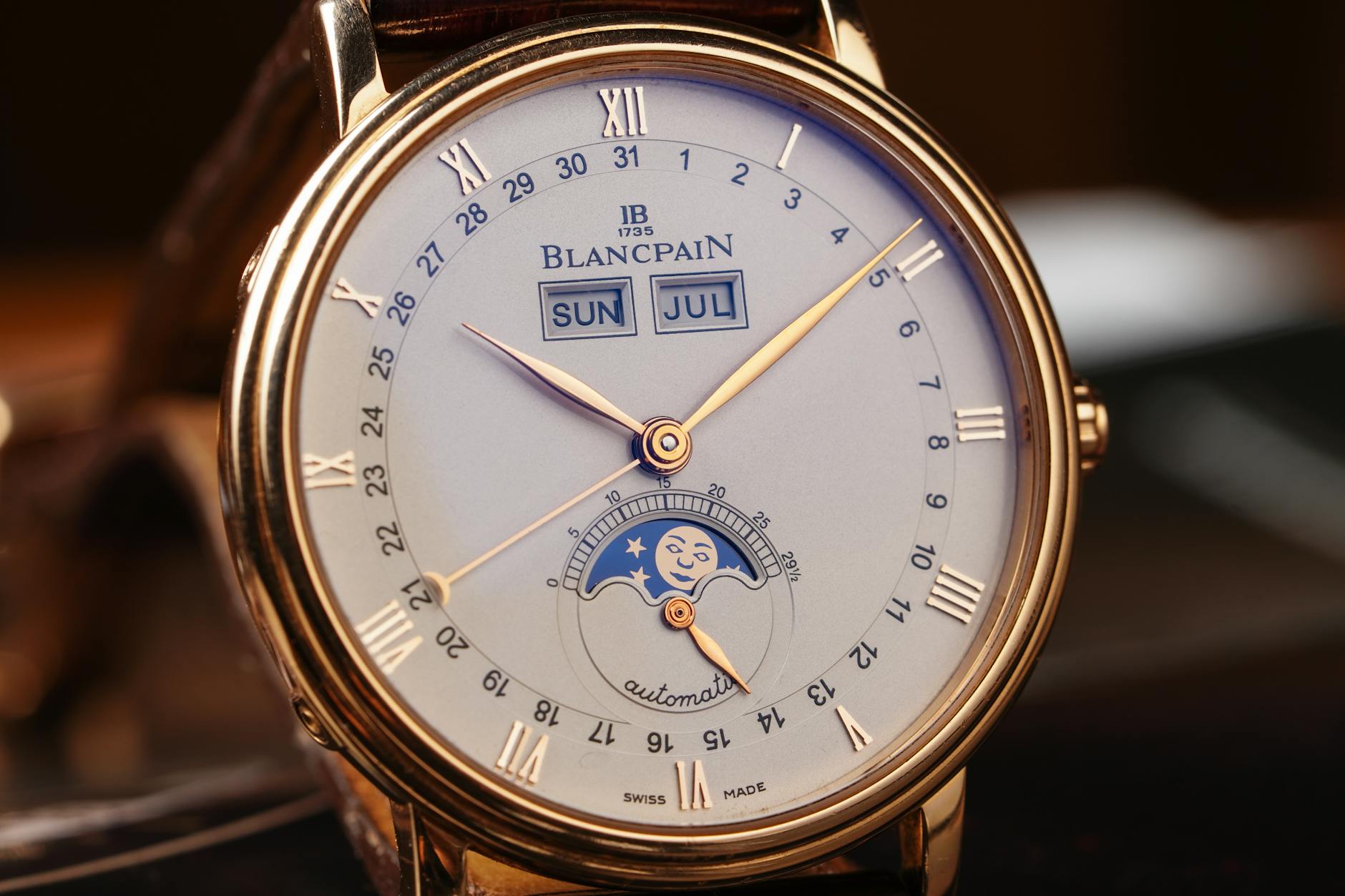
Demand from Asia-Pacific buyers is not merely a passive reflection of Western market trends — it is increasingly a price-setting force in its own right. At the November 2025 Bonhams Hong Kong watch auction, a stainless steel Patek Philippe Nautilus reference 5711/1A achieved HKD 2.3 million, representing a 28% premium over its 2023 comparable. Japanese collectors have re-entered the rare whisky market with particular aggression following the yen's partial stabilisation, with Yamazaki and Hakushu expressions commanding record premiums at Tokyo and Osaka private sales. Meanwhile, Thai family offices — emboldened by the Bank of Thailand's more permissive stance on offshore alternative asset holdings — are allocating meaningfully to Scottish casks for the first time, according to Singapore-based brokers active in that market.
The scarcity dynamic is structural rather than cyclical. Scotland's whisky distilleries cannot simply increase aged stock on demand; a 12-year-old single malt requires exactly 12 years of maturation. New make spirit filled into casks today will not be available for bottling until 2037 or 2038. With global demand for premium Scotch — particularly in China, South Korea, and India — projected to grow at 6–8% annually through 2030, the supply-demand imbalance underpinning cask values is unlikely to ease in the medium term.
Allocation Strategy: What the Jobs Data Means for Portfolio Construction
A resilient US labor market, paradoxically, can be a headwind for gold and a tailwind for yield-generating alternatives. If payrolls hold firm and the Federal Reserve delays rate cuts into H2 2026, the opportunity cost of holding non-yielding assets rises. Whisky casks and fine wine, by contrast, appreciate in value as they age — the asset itself generates its return through the maturation process, independent of interest rate cycles. For a Singapore or Hong Kong family office constructing a 10–15% alternatives sleeve within a broader multi-asset portfolio, a 3–5% allocation to whisky casks alongside fine wine and watches provides inflation protection, low correlation to public markets, and a tangible asset that can be liquidated through a growing secondary market infrastructure.
The key risk to monitor is a sharp US labor market deterioration in subsequent months — if the Iran war's energy shock begins feeding through to consumer spending and corporate hiring decisions, risk appetite across all asset classes will compress. However, given the current data trajectory, the window for establishing or expanding alternative asset positions at pre-shock valuations may be narrowing. Asia-Pacific investors with a 5–10 year horizon who have not yet formalised their tangible asset allocation strategy would do well to act before the next leg of geopolitical-driven demand materialises.
Frequently Asked Questions
How does the US jobs report affect alternative asset prices in Asia?
A strong US labor market signals sustained consumer spending power and delayed Federal Reserve rate cuts, which historically increases appetite for inflation-resistant tangible assets. Asia-Pacific investors use this macro signal to time rotations into whisky casks, fine wine, and rare watches, which tend to appreciate independently of interest rate cycles.
Why are whisky casks considered an inflation hedge?
Whisky casks appreciate through the maturation process — older spirit commands higher prices at bottling, regardless of monetary policy. With Scottish single malt casks delivering approximately 12.9% CAGR over the decade to 2024, and supply constrained by the fixed maturation timeline, casks offer a structural inflation buffer that financial assets cannot replicate.
Which Asia-Pacific markets are most active in alternative asset investment?
Hong Kong and Singapore lead in fine wine and watches, with Sotheby's and Christie's recording combined regional wine auction sales above USD 120 million annually. Japan has re-emerged as a significant buyer of rare whisky, while Thailand's family offices are increasingly active in Scottish cask investment through Singapore-based brokers.
What allocation size is appropriate for tangible alternatives in a family office portfolio?
Most Asia-Pacific family offices targeting alternative assets maintain a 10–15% sleeve for the category overall, with whisky casks and fine wine typically representing 3–5% of total portfolio value. The exact sizing depends on liquidity requirements and investment horizon, with casks best suited to 5–10 year holding periods.
How does geopolitical risk — such as the Iran war — affect whisky cask valuations?
Geopolitical energy shocks historically accelerate capital rotation into tangible, scarce assets. During the 2022 Russia-Ukraine conflict, the Knight Frank Luxury Investment Index recorded a 16% average gain across passion assets. A similar dynamic is anticipated as the Iran conflict sustains elevated energy prices and macro uncertainty through 2026.
💼 Exploring alternative asset allocation? Speak to Whisky Cask Club — Singapore's leading specialists in Scottish whisky cask investment.