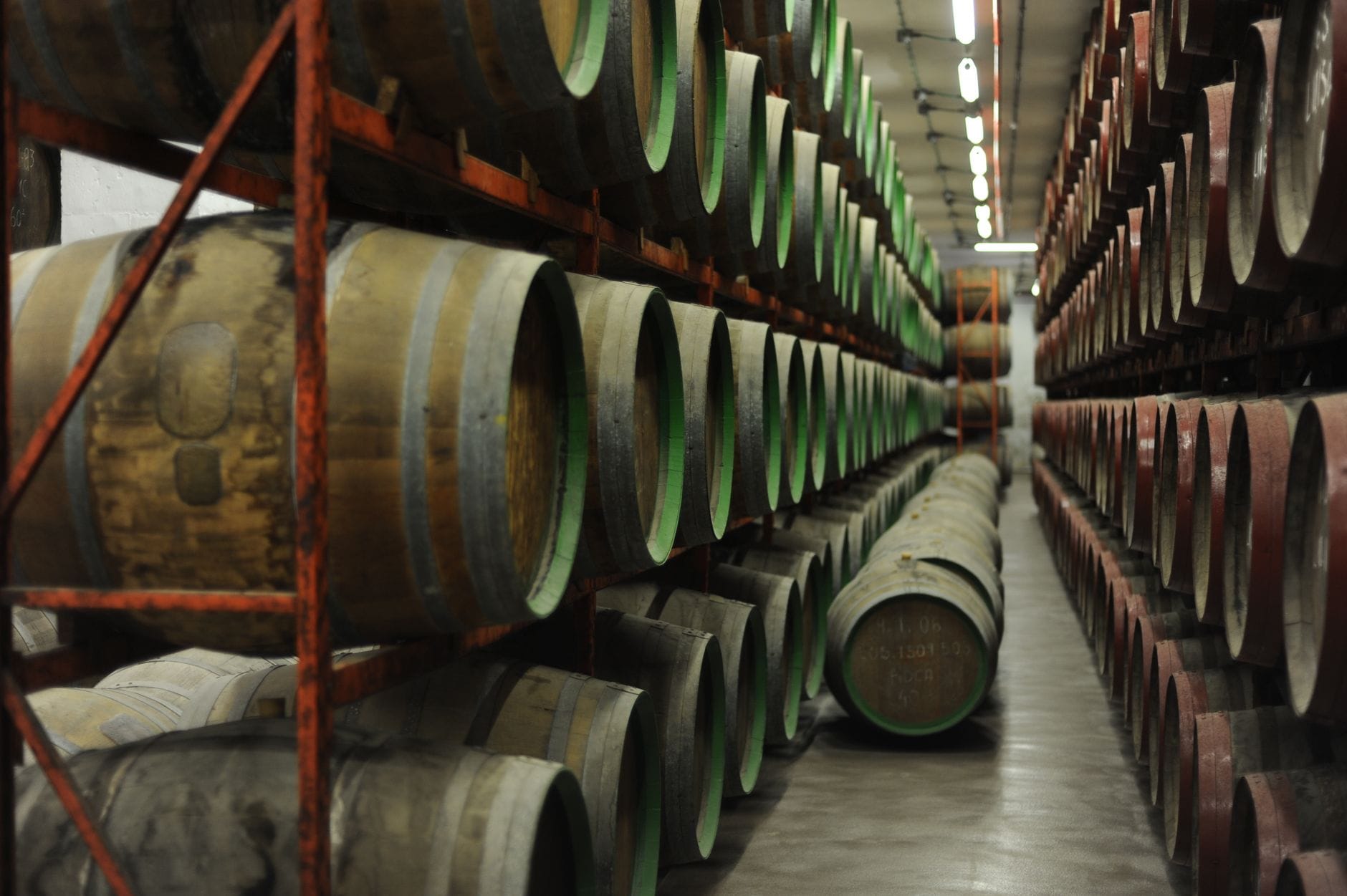
Fewer than 30% of Asia-Pacific family offices have structured wealth conversations. That silence creates forced-sale discounts of 15–35% on illiquid alternatives like whisky casks, fine wine, and watches. Data-led advisor frameworks are the fix.
Why Families Don't Talk About Money — And What It Costs Them in Alternative Assets
Across Asia-Pacific, family offices collectively manage an estimated USD 1 trillion in assets, yet research consistently shows that fewer than 30% of high-net-worth families conduct structured intergenerational wealth conversations. That silence carries a measurable price. When heirs are uninformed about portfolio composition — including allocations to illiquid alternatives such as whisky casks, fine wine, classic cars, and rare watches — assets are routinely liquidated at sub-optimal valuations, gifted without tax planning, or simply lost to administrative confusion. The reluctance to discuss money is not a soft, cultural footnote; it is a quantifiable drag on multi-generational returns.
The Cultural Architecture of Silence
In markets from Hong Kong to Jakarta, money has long carried a dual identity: a source of pride and a subject of shame. Confucian frameworks that emphasise deference to elders, combined with colonial-era norms around financial discretion, have produced a generation of patriarchs and matriarchs who built wealth in private and plan to transfer it the same way. A 2023 UBS Global Family Office Report found that only 43% of Asia-based family offices had a documented succession plan in place, compared with 67% in North America. The gap is not a matter of sophistication — many of these families hold world-class alternative asset portfolios — but of communication infrastructure.
Private bankers operating in Singapore and Hong Kong report that the most common trigger for a wealth conversation is a health crisis or sudden death, not proactive planning. At that point, heirs may be discovering for the first time that a portion of the estate is held in a bonded warehouse in Speyside, a temperature-controlled storage facility in Geneva, or a classic car collection registered under a BVI holding structure. The administrative and emotional cost of untangling these positions under duress is significant, and the liquidation discounts can be severe — industry practitioners cite forced-sale haircuts of 15% to 35% on illiquid collectibles when estate timelines compress.
What Advisors Can Do to Open the Conversation
The most effective advisors in this space have stopped framing wealth conversations as emotional exercises and started presenting them as portfolio management imperatives. When a family understands that a 50-cask whisky portfolio purchased at GBP 8,000 per cask in 2018 is now valued at approximately GBP 18,000 to GBP 22,000 per cask — a compound annual growth rate of roughly 14% — the conversation shifts from personal discomfort to fiduciary responsibility. Numbers create permission to speak. Advisors who anchor the discussion in asset-specific data, auction comparables, and storage cost structures find that clients engage more readily than when the conversation is framed around mortality or family dynamics.
Structured family governance frameworks are gaining traction across Singapore, Thailand, and Malaysia, where second- and third-generation scions are increasingly educated abroad and returning with expectations of transparency. Family investment committees, annual asset review meetings, and documented investment policy statements that include alternative asset sub-allocations are now standard practice at leading multi-family offices in the region. The Knight Frank Wealth Report 2024 noted that Asia-Pacific UHNW individuals allocated an average of 11% of investable assets to alternatives, with whisky, wine, and watches among the fastest-growing sub-categories. Communicating these allocations clearly within the family is not optional — it is part of the asset management process itself.
The Cost of Silence in Tangible Markets
The financial consequences of poor intergenerational communication in alternative assets are well-documented. At Bonhams Hong Kong's 2023 whisky auction, several lots were identified by industry observers as estate liquidations, selling at 12% to 18% below comparable private-sale valuations from the same quarter. Fine wine funds operating in Singapore have reported that estate-driven redemptions — where heirs are unaware of lock-up periods or valuation methodologies — account for a disproportionate share of distressed exits. Rare watch markets tell a similar story: a Patek Philippe Ref. 5711 that trades at HKD 350,000 to HKD 400,000 in an informed private sale can clear 20% lower at auction when the seller is operating under estate time pressure.
The solution is structural, not sentimental. Families that treat their alternative asset inventory with the same governance rigour as their listed equity portfolios — documented, valued, insured, and communicated — consistently achieve better liquidation outcomes and smoother succession. Advisors who can present a whisky cask, a case of Pétrus, or a vintage Rolex Daytona not merely as a passion asset but as a line item with a cost basis, a current valuation, a liquidity timeline, and an exit strategy, give families the vocabulary to talk about these holdings across generations. That vocabulary is, ultimately, what protects the return.
Frequently Asked Questions
Why do Asian families find it harder to discuss wealth than their Western counterparts?
Cultural frameworks emphasising hierarchy, privacy, and deference to elders mean that financial conversations are often deferred or avoided entirely. This is compounded by first-generation wealth creators who built assets in competitive, sometimes opaque environments and view financial disclosure — even within the family — as a vulnerability. The result is a structural communication gap that advisors must bridge with data-led frameworks rather than emotional appeals.
How does poor communication affect alternative asset valuations at succession?
When heirs are unaware of illiquid holdings such as whisky casks, fine wine, or classic cars, forced liquidations under estate timelines can produce discounts of 15% to 35% versus orderly private-sale valuations. Bonhams and other major auction houses in Hong Kong have documented this pattern across multiple estate-driven sale cycles.
What is the typical alternative asset allocation for Asia-Pacific UHNW families?
According to the Knight Frank Wealth Report 2024, Asia-Pacific ultra-high-net-worth individuals allocate an average of 11% of investable assets to alternatives, with whisky, wine, watches, art, and classic cars among the primary sub-categories. This figure has grown steadily from approximately 7% in 2019.
How can advisors make wealth conversations more productive with reluctant clients?
Anchoring the conversation in specific asset data — current valuations, compound annual growth rates, storage costs, and auction comparables — removes the emotional charge and repositions the discussion as a portfolio management necessity. Advisors who present a whisky cask or fine wine holding as a line item with a documented investment thesis find clients engage more readily than with abstract succession planning conversations.
What governance structures are family offices in Singapore and Hong Kong using for alternative assets?
Leading multi-family offices in Singapore and Hong Kong are implementing family investment committees, annual asset review meetings, and written investment policy statements that explicitly cover alternative sub-allocations. These structures ensure heirs understand the composition, valuation methodology, and exit strategy for illiquid holdings before a succession event occurs.
💼 Exploring alternative asset allocation? Speak to Whisky Cask Club — Singapore's leading specialists in Scottish whisky cask investment.