Fundraising for Asia-domiciled private credit funds fell sharply in the first half of 2026 according to InforCapital, yet large Asian sovereign, insurer and bank-backed investors are still committing capital, which suggests the slowdown is about fund-raising channels and selectivity rather than a lack of regional demand; the latest data we could verify runs to July and August 2026.
TL;DR
- InforCapital reports that only 5 Asian private credit funds closed in H1 2026, raising US$1.2 billion, against 29 funds and US$9.5 billion in 2025 and 53 funds and US$20.2 billion in 2022.
- Preqin data cited by Reuters (29 August 2026) puts APAC-focused private credit fundraising at US$2.7 billion in Q1 2026, compared with more than US$10 billion for North America-focused funds.
- Moody's expects regional fundraising and deployment to slow over the next 12 to 18 months but says underlying demand should stay strong; large mandates continue, including a US$1 billion Partners Group mandate from an Asian institution.
How much has Asian private credit fundraising fallen?
Private credit is lending by non-bank funds, typically to companies or assets that do not use public bond markets. InforCapital (27 July 2026) says 5 Asia-domiciled funds closed in the first half of 2026 with US$1.2 billion in total, versus 29 funds and US$9.5 billion in 2025. It does not name its data provider. Preqin figures reported by Reuters use a different measure, APAC-focused funds, and put Q1 2026 fundraising at US$2.7 billion. The two sets are not directly comparable, but both point to a weak start to the year.
Why is fundraising slowing?
Moody's analyst Sean Hung, in a note reported by The Edge Singapore on 6 July 2026, cited macroeconomic uncertainty, geopolitical tensions and high interest rates, and said redemption requests at global private credit funds may lead to more scrutiny of liquidity terms, particularly for retail and wealth channels. Moody's also said stricter regulation could lengthen fundraising timelines. S&P Global Ratings described regional demand in a July note as strong but selective, focused on collateral quality, sponsor strength and covenants, according to Reuters.
Who is still putting money in, and why now?
Reuters (29 August 2026) reports that Partners Group secured a US$1 billion open-ended private credit mandate from a major Asian institutional investor in August, covering senior and junior direct lending across Asia-Pacific. Partners Group says sovereign wealth funds and insurers, especially in Southeast Asia and Japan, are increasing allocations. Granite Asia's Libra Hybrid strategy raised more than its US$500 million target, with Temasek, Khazanah Nasional and the Indonesia Investment Authority as anchor backers. InforCapital adds that Temasek plans to lift its private credit allocation from 2% to 5% by 2031. Preqin forecasts APAC-focused private credit assets of about US$142 billion by 2030; Asia is about one-third of global output but around 4% of the global private credit market, according to Reuters.
Why it matters
For APAC allocators the question is less whether to engage than how: fund-raising is concentrated in large mandates, so smaller local managers may face a harder market, and Moody's expects regional assets to keep growing faster than in the US and Europe from a smaller base. For related reading, see our reports on Meiji Yasuda's planned Man Group commitment at https://altassetasia.com/meiji-yasuda-plans-to-lift-man-group-commitment-to-jpy-200-billion-with-private-credit-the-focus-what-apac-allocators-should-ask/ and on global private credit data at https://altassetasia.com/private-credit-hit-us-4-1-trillion-in-2025-what-the-acc-data-leaves-out-for-apac-investors/
What is not confirmed?
We found no verified Q2 or Q3 2026 regional fundraising data, so the picture may have changed since mid-year. InforCapital does not name its data source, and its figures differ from Preqin's because the definitions differ. Whether the slowdown reverses within Moody's 12 to 18 month window is a forecast. This article is not investment advice.
Frequently Asked Questions
Is Asian private credit fundraising falling in 2026?
Yes on the data we found: InforCapital reports 5 funds and US$1.2 billion in H1 2026, and Preqin figures cited by Reuters show US$2.7 billion in Q1 2026 for APAC-focused funds. Later-period data was not verified.
Who is investing in Asian private credit?
Sovereign wealth funds, insurers and banks, according to Partners Group and Reuters. Named examples include Temasek, Khazanah Nasional, the Indonesia Investment Authority and DBS Private Bank, which backed Granite Asia's strategy.
How big could Asian private credit become?
Preqin forecasts about US$142 billion of APAC-focused private credit assets by 2030, as reported by Reuters. That is a forecast and Asia's share of global private credit is currently about 4%.
Sources and Method
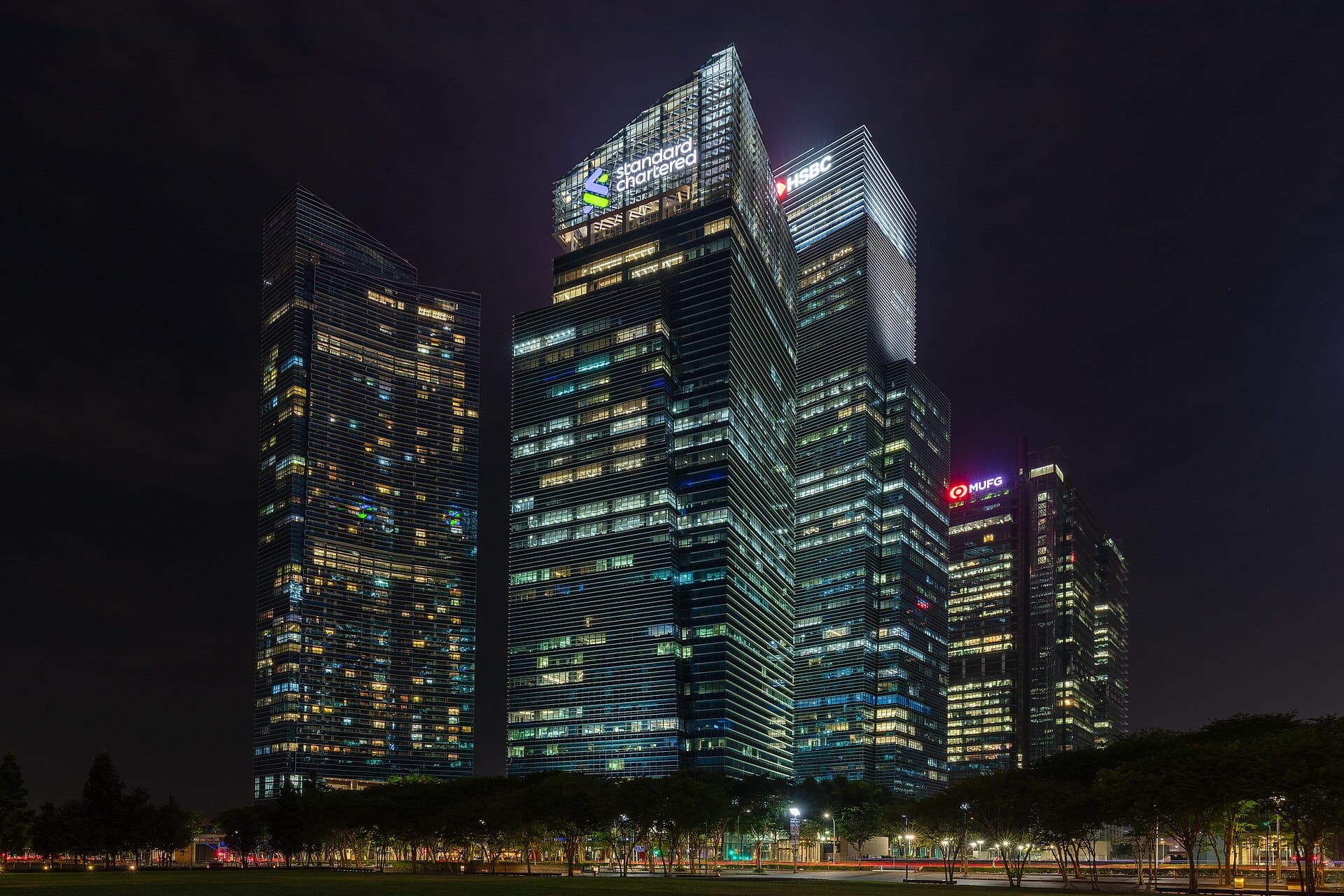
Drafted from InforCapital (27 July 2026), The Edge Singapore on Moody's (6 July 2026) and Reuters via The Star (29 August 2026). Forecasts and opinions are attributed. Cover photo: Marina Bay Financial Centre, Singapore, via Wikimedia Commons, credit Diego Delso, CC BY-SA 4.0.