Macquarie Asset Management says its consortium has completed the Qube investment. The public record supports a careful ownership-and-control reading; it does not establish a fresh valuation, expected return or future exit route.
TL;DR Macquarie says its consortium has completed the A$11.7bn Qube investment. The public ACCC record maps the transaction it assessed; neither source is a current valuation, a forecast or a substitute for definitive post-closing ownership documents.
The closing is a fact; the investment case is a separate file
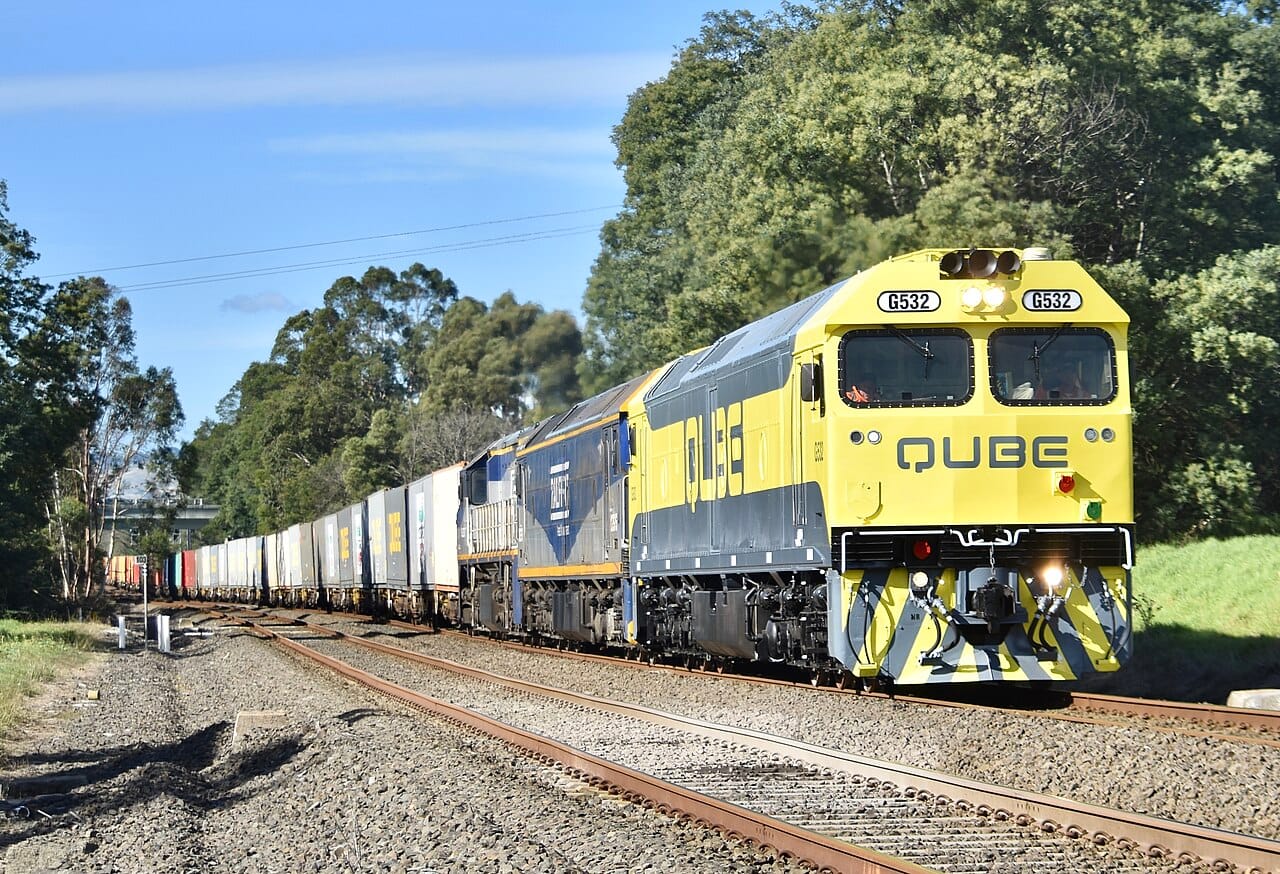
Macquarie Asset Management says that its managed funds and co-investors, including UniSuper and Pontegadea, completed their investment in Qube Holdings through a scheme of arrangement, at an enterprise value of about A$11.7bn. Macquarie describes Qube as a ports, terminals, storage, rail and road business operating across Australia, New Zealand and Southeast Asia.
That establishes a completed transaction and the scale of the announced enterprise value. It does not establish what a particular investor has paid for each economic interest, what debt sits at which level, how board or reserved-matter rights work after closing, or when an investor can sell. Those are different questions, answered by different records.
Read the regulator’s record in the tense in which it was made
The Australian Competition and Consumer Commission’s public acquisition record was made before completion. It says the transaction it assessed proposed three direct investors in the holding structure: UniSuper at 20%, Pontegadea at 15% through a dedicated SPV, and the MAM Box at 65%. The regulator says Macquarie Asset Management would have a controlling interest in that MAM Box, resulting in a controlling interest in Qube.
The same record identifies other prospective look-through interests within the MAM Box, including Temasek at 12.5%, GIC at 6.59% and South Korea’s National Pension Service at 4.3%, with the NPS interest described as being acquired in two stages before completion. Those details are valuable because they separate named direct investors, the manager-controlled vehicle and underlying economic exposure.
But the record is not a post-closing shareholder register. It describes the acquisition structure considered by the regulator. The completion announcement confirms that the investment closed; it does not, in the material reviewed here, restate every direct or look-through percentage. Treat the two documents as complementary rather than interchangeable.
The gap in the headline coverage
Mingtiandi’s current coverage correctly records the A$11.7bn closing, Qube’s departure from public markets and the presence of UniSuper, Pontegadea and Macquarie-managed funds. It also says individual stakes were not disclosed. That is the point at which a diligence process should move from the deal value to the underlying record, rather than fill the gap with assumptions.
For an Asia-Pacific private-markets reader, the useful question is not whether a large logistics platform has attractive themes. Macquarie’s announcement names supply-chain capability, security and resilience as its rationale. The narrower, testable question is which party holds which interest, who controls the holding vehicle and which present-tense documents confirm the position after closing.
A practical post-closing reading list
Start with the definitive post-closing ownership and governance documents, not an announcement alone. Reconcile the legal entities in the bid structure, direct equity holders, any parallel or sidecar vehicles, board appointment rights, reserved matters and management agreements. Then identify debt at operating-company, holding-company and investor-vehicle level; a transaction enterprise value is not a map of those obligations.
Next, separate historical public disclosures from current rights. A regulator’s transaction record may describe proposed control and look-through exposure. A current ownership register, investor report or executed governance document is needed to establish what changed, if anything, at completion. Finally, record the actual transfer restrictions, valuation process, reporting terms, fees and potential exit mechanics that apply to the interest being assessed.
This is an evidence framework, not an investment recommendation. Qube’s announced transaction value, the regulator’s assessment and a public article do not establish suitability, performance, liquidity, asset value or an exit outcome for any investor.
Frequently Asked Questions
What did Macquarie announce about Qube?
Macquarie says its managed funds and co-investors, including UniSuper and Pontegadea, completed the investment in Qube through a scheme of arrangement at an enterprise value of about A$11.7bn.
What ownership structure does the ACCC record describe?
The ACCC’s pre-completion record describes three proposed direct investors: UniSuper at 20%, Pontegadea at 15% through a dedicated SPV and the MAM Box at 65%. It says Macquarie Asset Management would control the MAM Box.
Does A$11.7bn establish Qube’s current asset value for an investor?
No. It is the announced enterprise value of the completed transaction. It does not establish an investor’s entry price, debt allocation, interest-level valuation, return, liquidity or exit terms.
Does the ACCC record confirm the post-closing cap table?
No. The regulator’s record describes the transaction it assessed before completion. Current ownership and governance need confirmation from definitive post-closing documents.