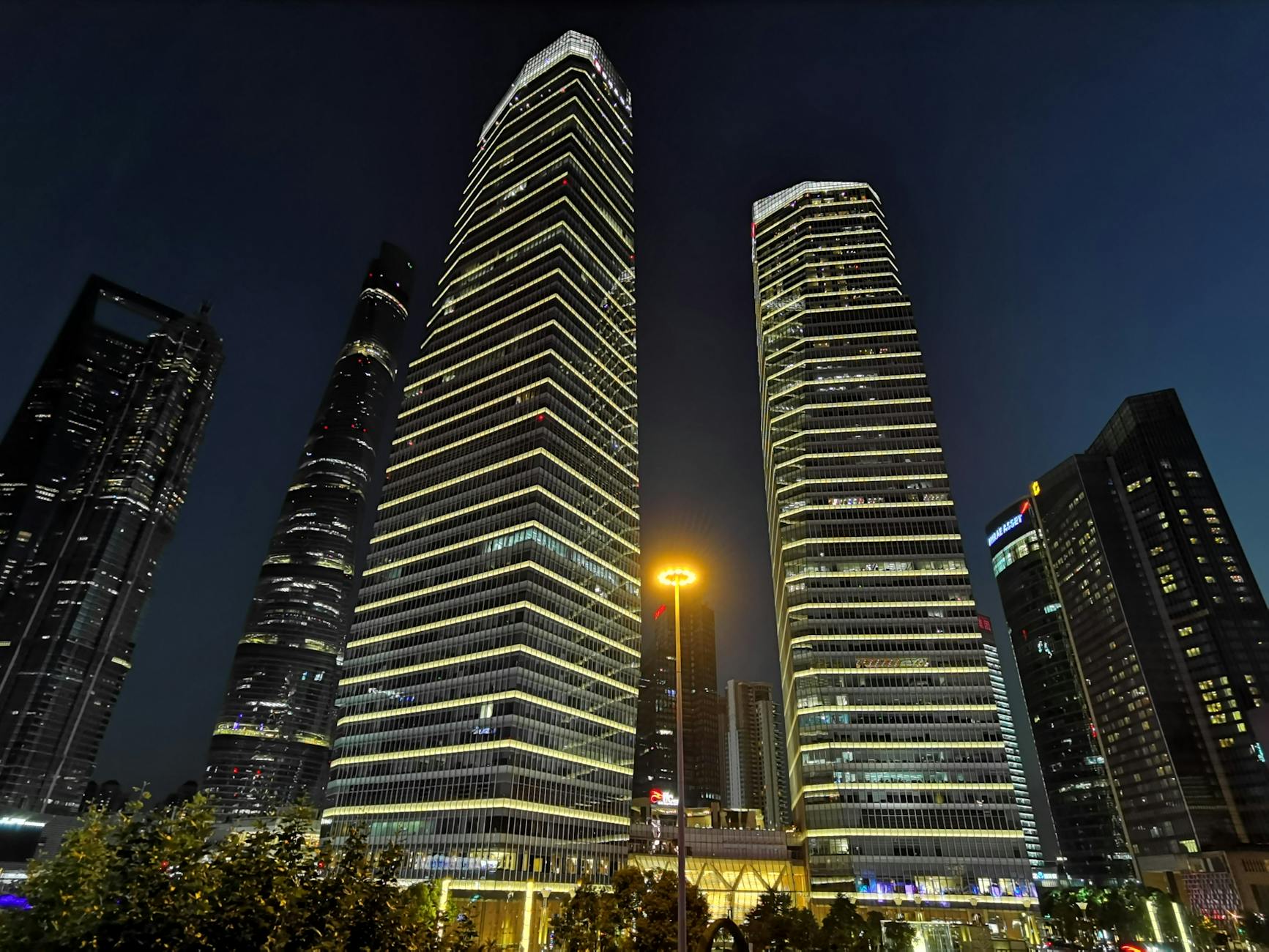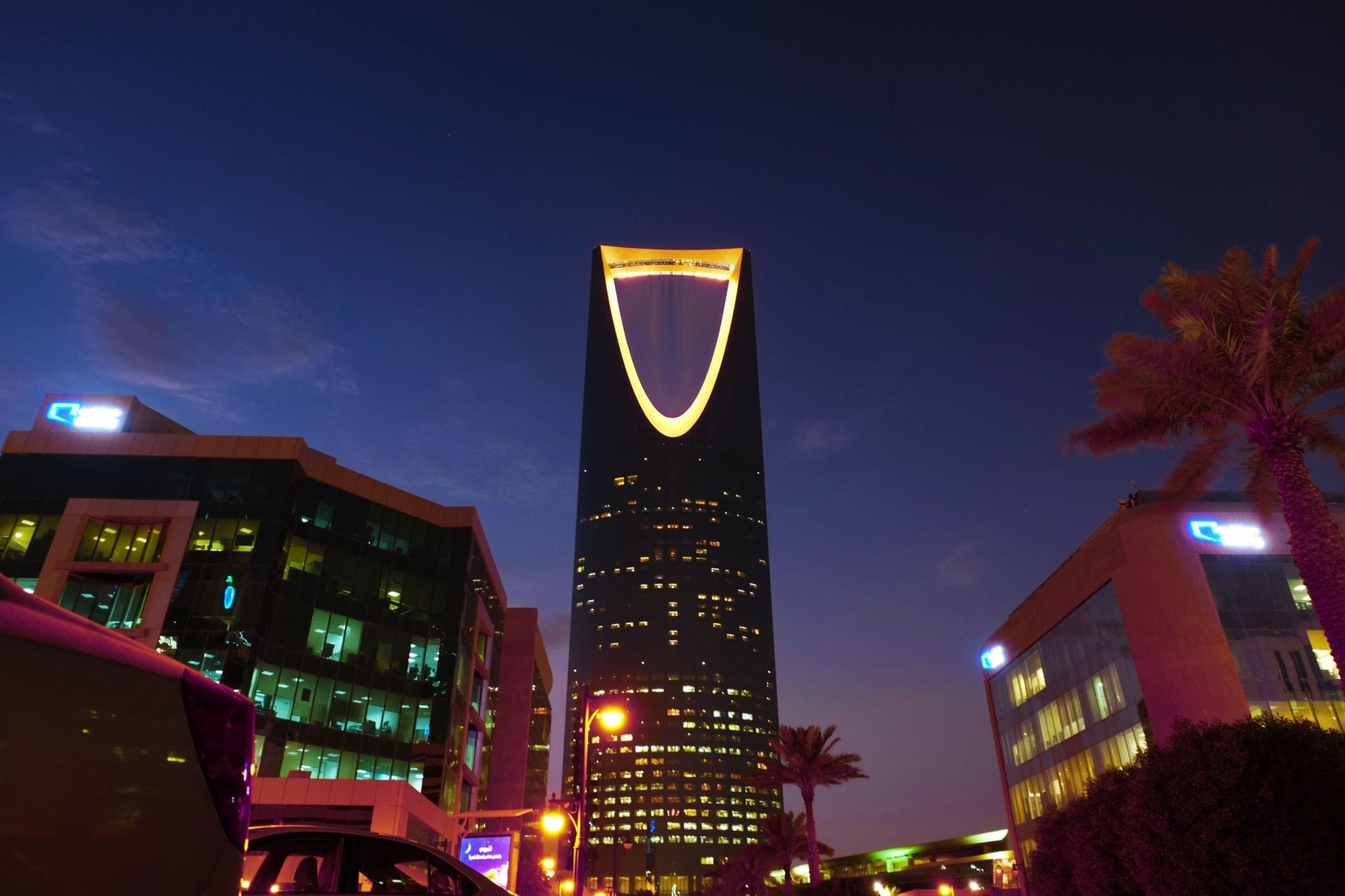
Saudi Arabia's Public Investment Fund has opened a Shanghai office to strengthen its China investment presence and coordinate alternative asset deals across Asia. The move signals sustained appetite for collectibles, private equity, and wealth management opportunities in the region.
Saudi Arabia's Public Investment Fund has established a Shanghai office to deepen its investment footprint across China and coordinate outbound dealmaking in Asia's largest alternative asset markets. The move signals PIF's commitment to positioning itself as a major allocator within China's wealth management, where family offices and sovereign funds compete for access to private equity, real estate, and collectible asset opportunities.
For Asia-based family offices and private bankers, the Shanghai presence matters because PIF manages approximately $925 billion in assets and has emerged as one of the region's most active cross-border investors. A dedicated China hub reduces friction in deal sourcing, due diligence, and fund deployment, areas where institutional investors typically face regulatory and operational delays. PIF's track record includes stakes in Chinese technology, renewable energy, and luxury consumer brands, making its expanded presence a signal of sustained appetite for alternative allocation vehicles in the region.
The Shanghai office sits within a broader regional expansion strategy. PIF has previously opened hubs in London, New York, and Singapore, each tailored to local market conditions and regulatory frameworks. China's alternative asset market, encompassing fine wine, contemporary art, vintage timepieces, and private equity, generated an estimated $180 billion in institutional capital flows in 2025. PIF's Shanghai base allows the fund to capitalize on this demand while supporting Saudi-linked family offices and co-investment vehicles seeking exposure to Chinese collectibles and emerging managers.
The timing aligns with China's gradual opening of wealth management channels to foreign institutional investors. Recent regulatory reforms have simplified fund registration for overseas allocators, and Shanghai's Free Trade Zone offers tax incentives for asset management operations. PIF's presence may accelerate similar moves by other Gulf-based sovereign wealth funds, potentially increasing competition for deal flow in Asia's high-net-worth segment.
Why it matters: PIF's Shanghai footprint consolidates Saudi Arabia's position as a structural buyer of alternative assets across Asia, reinforcing the shift of capital allocation eastward. For private bankers servicing ultra-high-net-worth principals in the region, this development signals that mega-funds are now embedded in local markets, meaning competitive pressures on deal access will intensify, and institutional co-investment opportunities with PIF-backed vehicles will become more frequent. Watch for follow-on announcements regarding PIF's fund commitments to China-focused alternative managers and collectibles platforms over the next 18 months.