Asia's shipping sector is transforming, impacting supply chains. Shifts in the Malacca Strait, volatility in rates, and ASEAN infrastructure projects aim to boost resilience and reduce chokepoint dependency, reshaping trade finance and creating new opportunities.
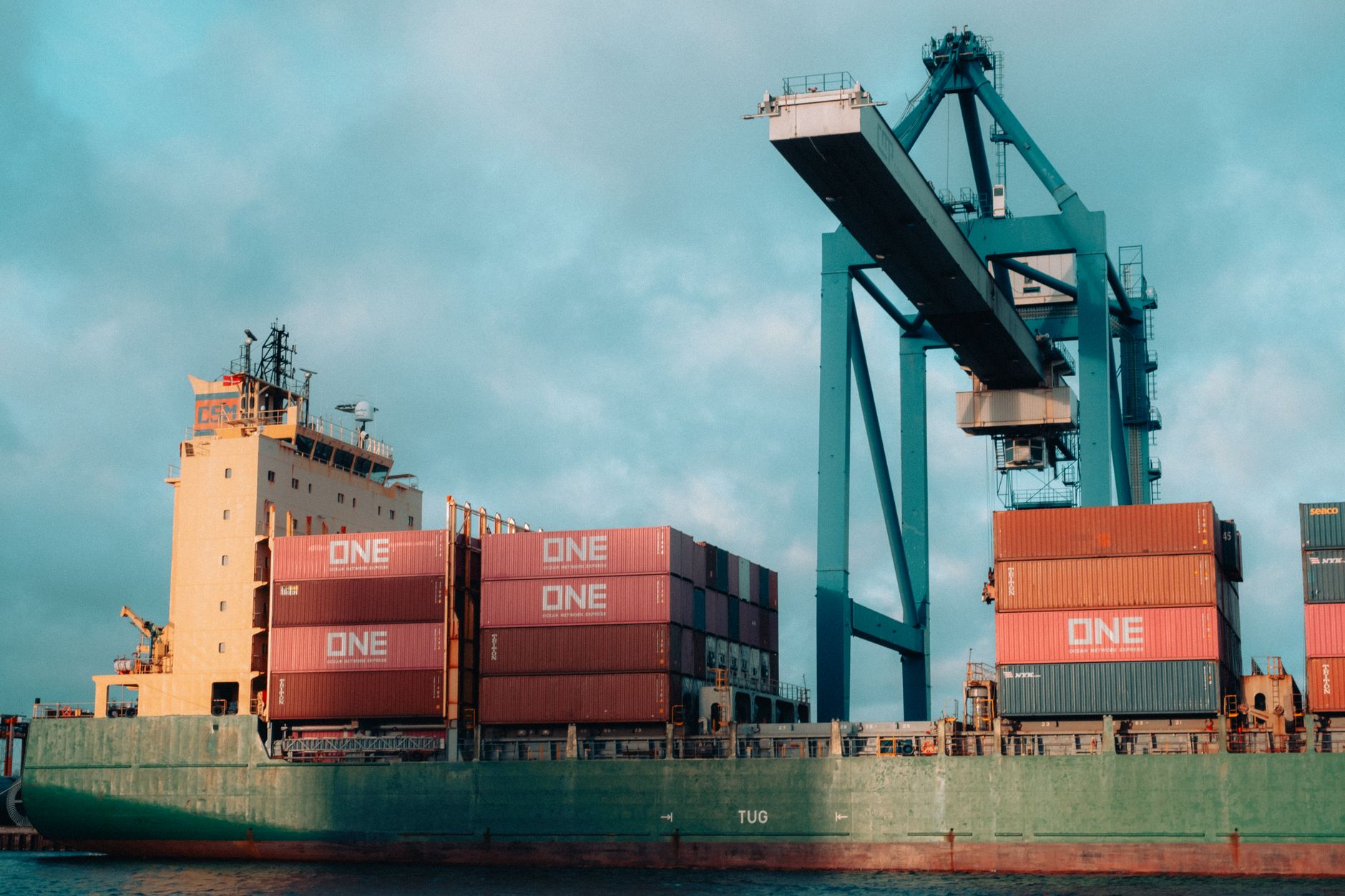
The shipping sector is undergoing significant transformation across Asia, with implications for regional supply chains and commodity flows.
Market analysts point to shifting patterns in the Malacca Strait as a key indicator of broader trade realignments. Recent data suggests that volatility in shipping rates may reflect deeper structural changes.
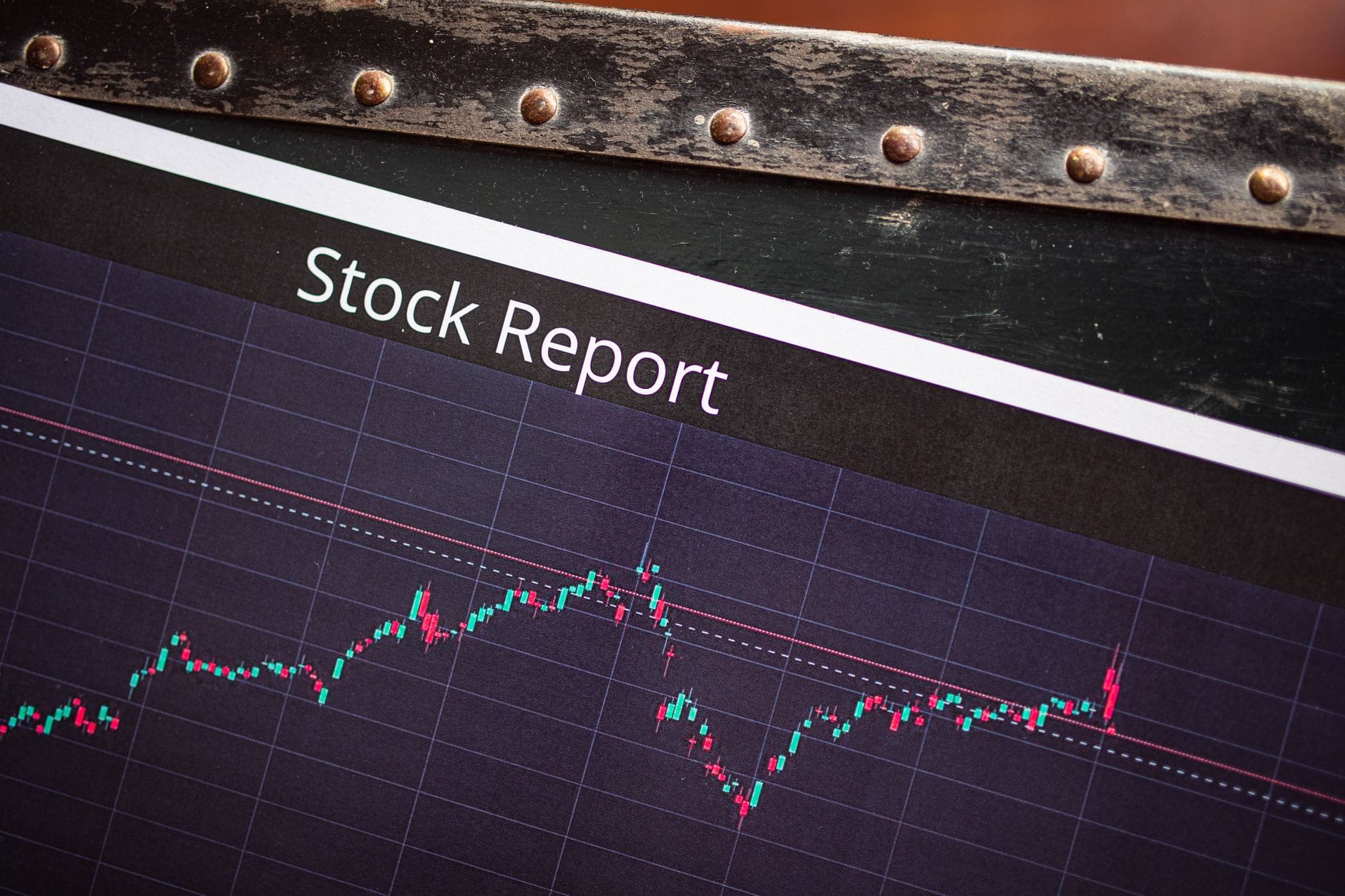
For investors tracking alternative assets, the intersection of logistics, finance, and physical commodities presents both risks and opportunities. The Baltic Dry Index remains a critical bellwether, though its predictive power has evolved in the post‑pandemic landscape.
ASEAN nations are increasingly focusing on supply chain resilience, with new infrastructure projects aiming to reduce dependency on single chokepoints. This strategic pivot could reshape regional trade finance instruments over the coming quarters.
This analysis is part of the Strait Intelligence series, examining the intersection of trade, logistics, and alternative assets across Asia.