
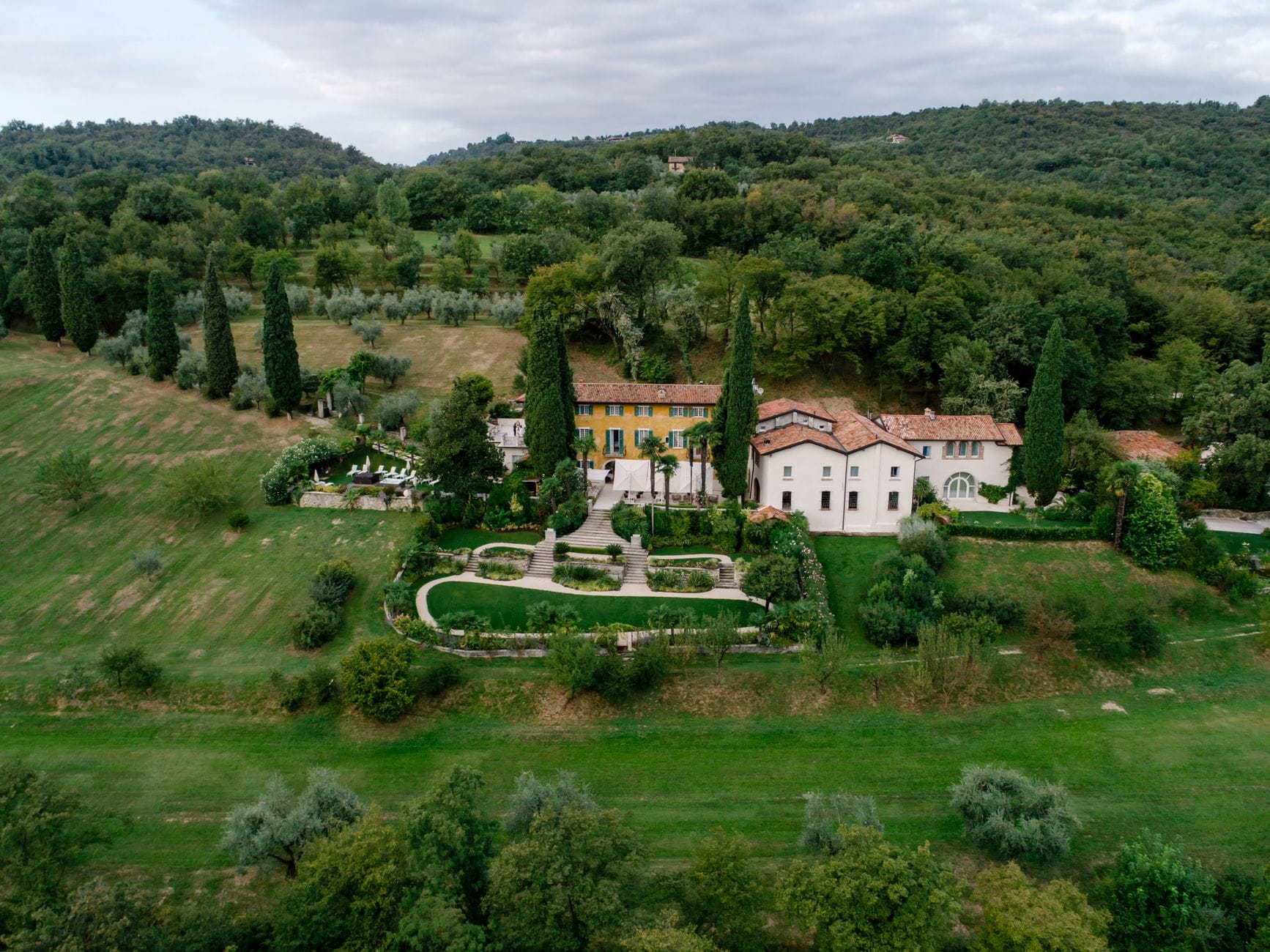
An $11.3 million Tuscany estate in the Chianti region, featuring a 1,000-year-old medieval tower and 3.7 acres of vineyard land, highlights a niche European hard-asset allocation increasingly tracked by APAC family offices. The combination of regulated appellation land, heritage designation, and agriturismo income potential sets it apart from standard.
A 3.7-acre estate in Tuscany's Chianti region, anchored by a medieval tower dating back approximately 1,000 years, has come to market at $11.3 million, a price point that places it firmly within the trophy rural real estate segment increasingly tracked by APAC family offices diversifying into European hard assets.
For Asia-Pacific principals allocating to tangible alternatives, Italian agricultural estates represent a structurally distinct asset class: they combine productive land, vineyards and olive groves in this case, with heritage real estate that carries strict preservation designation under Italian cultural property law. That regulatory layer limits supply artificially, supporting long-run price floors in premium Chianti addresses even through broader European property cycles. The compound also includes a separate spa building, adding income-generating hospitality optionality that can be structured through an Italian agriturismo licence.
The investment case for Chianti specifically rests on several converging factors worth ing for an allocation memo:
- Chianti Classico DOCG designation protects the productive vineyard land from commodity repricing, linking estate value to a regulated appellation rather than generic agricultural output.
- Italian luxury rural property in recognised wine regions has historically attracted demand from North American, Northern European, and, increasingly, Hong Kong and Singapore-based buyers seeking non-financial store-of-value assets.
- A 1,000-year-old tower carries Ministerial Cultural Heritage status under Italy's Codice dei Beni Culturali, which restricts demolition or significant structural alteration, effectively freezing architectural scarcity into the title.
- The 3.7-acre footprint at $11.3 million implies a per-acre price of roughly $3.05 million, consistent with prime Chianti comparable transactions cited by Italian rural property brokers.
- Agriturismo licensing in Tuscany allows qualifying estates to generate hospitality revenue, providing a yield mechanism that pure residential trophy assets cannot offer.
From a portfolio construction standpoint, European trophy estates are typically held as a 1, 3% allocation within the broader alternatives sleeve of ultra-high-net-worth portfolios. The illiquidity premium is real: transaction timelines in Italian rural property routinely run six to eighteen months, and currency exposure to the euro requires active hedging for SGD- or HKD-denominated family offices. That said, the combination of productive land, regulated appellation, and certified heritage architecture in a single title is rare enough that comparable listings in Chianti remain scarce in any given quarter.
Why it matters: As APAC family offices rotate out of rate-sensitive fixed income and seek tangible, supply-constrained alternatives, Chianti estates with verifiable heritage credentials and dual income potential, wine production plus agriturismo, represent a credible niche within the European real assets allocation. The $11.3 million ask for this compound will test whether cross-border appetite from Singapore and Hong Kong buyers, which has been building in the Italian rural market, translates into a completed transaction in the current rate environment.