Swiss impact investor responsAbility has raised $461 million for its Asia Climate Fund, its largest closed-end climate vehicle to date, using a blended-finance structure that turned public risk capital into a magnet for private institutional money.
TL;DR
- responsAbility Investments, part of UK asset manager M&G, closed its Asia Climate Fund at $461 million, its largest closed-end climate fund to date, targeting private credit deals in renewable energy, electric mobility, energy efficiency and circular economy businesses across South and Southeast Asia.
- The fund's blended-finance structure combined concessional public-sector capital, which mobilised more than five times its value in commercial money, with over $200 million from private investors, including institutional investors, family offices and foundations; the IFC committed $50 million to the senior tranche.
- The fund has already deployed about $204 million, roughly 44% of capital raised, across 17 portfolio companies, giving APAC allocators an early scorecard on how the strategy is performing.
What is responsAbility's Asia Climate Fund and how big is it now?
responsAbility Investments AG, a Zurich-based impact manager that became part of UK asset manager M&G, announced the final close of its Asia Climate Fund at $461 million in commitments. The firm called it the largest closed-end climate investment vehicle it has raised to date. The fund is a private credit strategy, meaning it lends directly to companies rather than buying listed shares or bonds, and it targets renewable energy, electric mobility, energy efficiency and climate-relevant infrastructure and circular-economy businesses across South and Southeast Asia.
How does the fund's blended-finance structure work?
Blended finance combines public or philanthropic capital with private commercial money in the same vehicle, using the public portion to absorb a larger share of the risk so that private investors can come in on more conventional terms. In this fund, responsAbility said the concessional, public-sector portion of the capital mobilised more than five times its own value in commercial commitments. The International Finance Corporation, a member of the World Bank Group, committed $50 million to the fund's senior tranche, giving it first claim on repayments and effectively de-risking the layers of capital sitting below it.
Who is actually investing, and where is the money going?
More than $200 million of the total, over half, came from private-sector investors, including institutional investors, family offices and foundations, alongside development finance institutions such as the IFC. On the deployment side, the fund has already committed roughly $204 million, about 44% of capital raised, across 17 portfolio companies spanning renewable energy, electric mobility, energy efficiency and circular-economy solutions; responsAbility has not disclosed individual company names or deal sizes. The strategy is not new to the region: in April, the firm separately committed up to $15 million in private debt to Singapore-headquartered Skye Renewables Energy under the same Asia climate investment approach.
Why this matters for family offices and APAC allocators
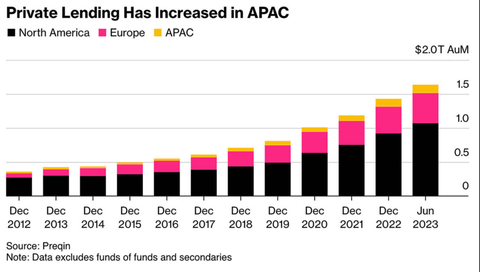
The fund's investor base, spanning institutions, foundations and family offices, tracks a broader shift already visible elsewhere in the region: see altassetasia.com's coverage of how family offices and funds are plugging the regional bank lending gap through private credit (https://altassetasia.com/the-rise-of-apac-private-credit-how-family-offices-and-funds-are-plugging-the-regional-bank-lending-gap/) and how private credit is powering mid-market expansion across ASEAN (https://altassetasia.com/filling-the-void-how-private-credit-is-powering-mid-market-expansion-across-asean/). What's notable here is the blended-finance mechanic itself: a relatively small pool of concessional capital pulled in several times its value in private money, a template that other climate- and infrastructure-focused managers are likely to copy as they chase the same institutional and family-office pools. responsAbility's own pipeline is also widening on the family-office side; earlier this year it took on a 200 million euro private equity mandate from Stella Vermogensverwaltungs GmbH, the investment vehicle of the Thiele family, a sign that European family capital is increasingly comfortable routing Asia-focused allocations through specialist managers rather than building in-house teams.
Frequently Asked Questions
What is blended finance?
It is a fund structure that mixes public or philanthropic capital with private commercial capital, using the public portion to absorb more risk so private investors can participate on more standard, return-focused terms.
Can family offices invest directly in funds like this?
Yes. responsAbility said family offices were among the private-sector investors in this final close, alongside institutional investors and foundations, typically as limited partners committing directly to the fund.
What kind of returns does Asia private credit like this typically target?
responsAbility has not disclosed a target return for this fund. Broader APAC direct-lending strategies covered separately on this site have targeted net yields roughly in the high single digits to mid-teens, depending on seniority and structure, though actual returns vary by manager and vintage.
Sources and method
This article draws on DealStreetAsia's reporting on the fund's final close (dealstreetasia.com) and responsAbility's own announcement as independently reported by ESG Today (esgtoday.com), which included on-the-record comment from Stephanie Bilo, responsAbility's chief client and investment solutions officer. Both accounts were cross-checked for consistency on fund size, structure and figures. This is not financial or investment advice; allocations to private credit and blended-finance vehicles carry liquidity, credit and structuring risks, and investors should conduct independent due diligence and consult a licensed advisor before committing capital.